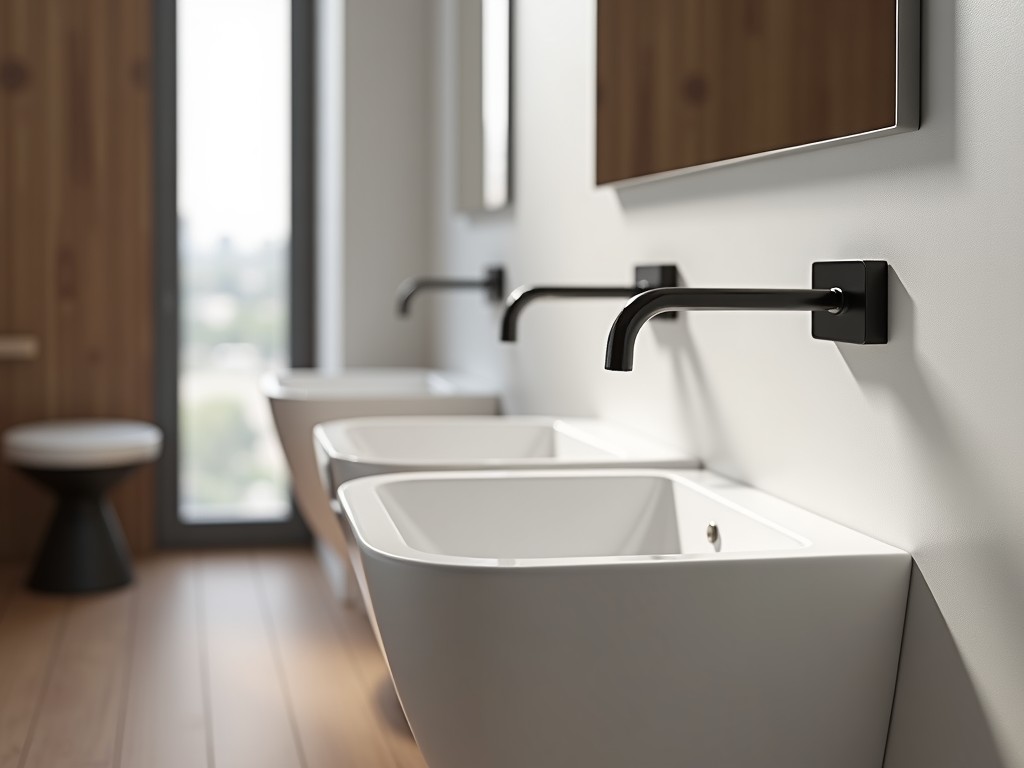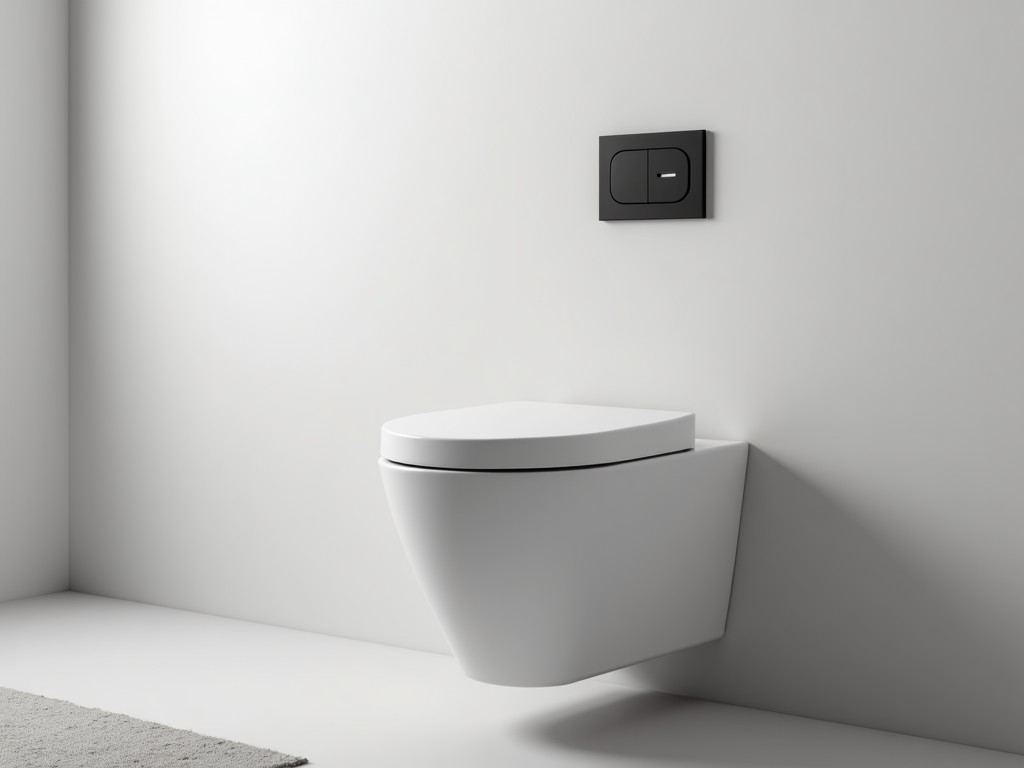
Wall Hung Toilet With Soft Close Seat Supplier
Wall Hung Toilet with Soft Close Seat Supplier
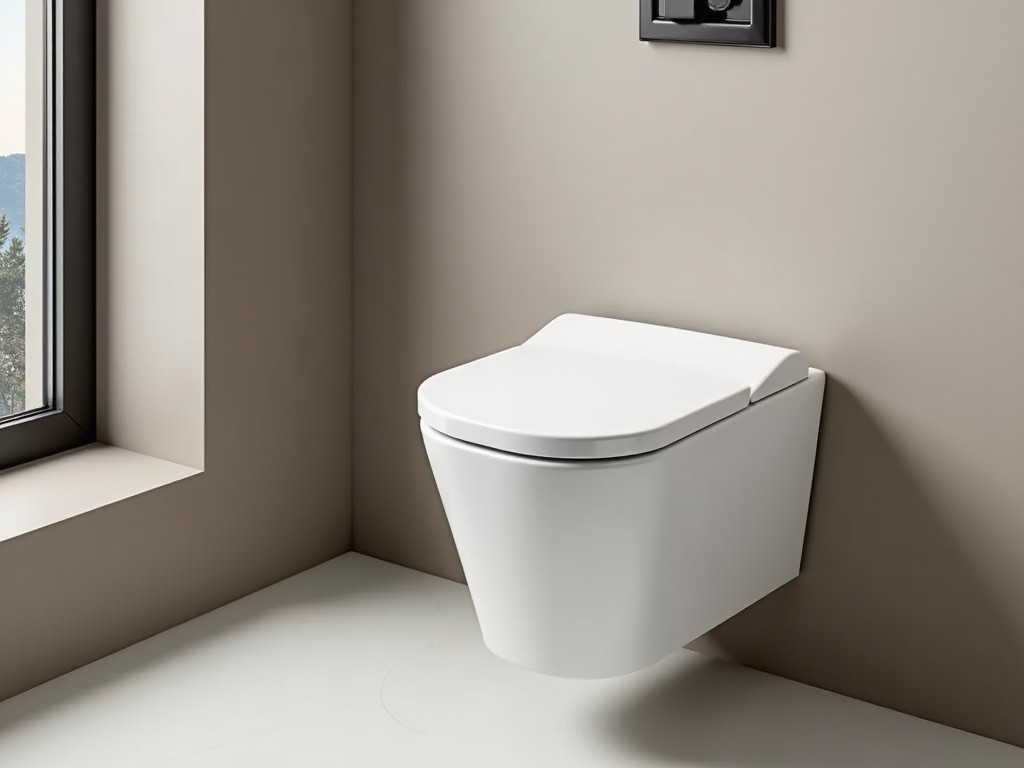
A wall‑hung toilet combines a concealed cistern with a bowl mounted to a steel frame, freeing floor space and simplifying cleaning. The soft‑close seat mechanism uses a hydraulic damper to lower the lid and seat gradually, eliminating slamming and reducing wear on the hinge.
Technical Specifications
Typical bowl dimensions are 360 mm width × 520 mm depth × 340 mm height, with a trapway diameter of 100 mm to meet EN 997 Class 1 flushing performance. The concealed cistern delivers a dual‑flush volume of 3 L/6 L, adjustable via a screw‑type valve.
- Load‑bearing frame rated for 150 kg static weight, tested to EN 14688.
- Seat hinge material: stainless steel 304 with polymer bushing for corrosion resistance.
- Soft‑close damper rated for 30,000 cycles without loss of damping torque.
Material Composition
The vitreous china bowl is fired at 1280 °C, achieving a water absorption rate below 0.5 % and a compressive strength exceeding 30 MPa. The frame utilizes cold‑rolled steel, hot‑dip galvanized to a coating thickness of 55 µm for rust protection in humid environments.
Seat and lid are manufactured from polypropylene copolymer, UV‑stabilized to retain color stability for at least 5 years under direct sunlight.
Soft‑Close Mechanism Design
The damper consists of a piston moving through silicone oil within a sealed cylinder; the orifice size determines the closing speed, typically set to 0.6 seconds for a 45° lid angle.
Adjustment is possible via a set‑screw that alters the preload on the spring, allowing fine‑tuning of the closing force without disassembly.
Installation Considerations
The steel frame is secured to the building structure using M10 anchor bolts spaced at 200 mm intervals; load distribution is verified by checking deflection under a 100 kg test load, which should remain under 0.5 mm.
Water supply connections use a ½‑inch BSP threaded inlet with a flexible braided hose, allowing up to 15 mm of misalignment compensation.
Typical Applications
Wall‑hung toilets with soft‑close seats are specified in high‑traffic commercial restrooms where floor space is at a premium and hygiene protocols demand easy access for cleaning equipment.
In healthcare facilities, the reduced protrusion minimizes collision risks for patients using mobility aids, while the soft‑close feature limits noise that could disturb recovery areas.
Quality Control Philosophy
Each bowl undergoes a hydrostatic pressure test at 0.6 MPa for 30 seconds to detect micro‑cracks before glazing.
Frames are inspected for coating uniformity using a magnetic thickness gauge; any reading outside 45‑65 µm triggers rework.
Seat dampers are cycle‑tested on a programmable bench; torque loss exceeding 10 % after 15,000 cycles results in lot rejection.
Customization Options
Bowl length can be adjusted between 500 mm and 560 mm to accommodate different rough‑in dimensions, with corresponding changes to the trapway offset.
Seat color is available in standard white, almond, or custom RAL‑matched polypropylene, requiring a minimum order quantity of 200 units.
Flush valve types include pneumatic, electronic sensor, or manual push‑button, each with distinct water‑saving profiles.
Specification Comparison
| Parameter | Standard Configuration | Customizable Range |
|---|---|---|
| Bowl Length (mm) | 520 | 500 – 560 |
| Flush Volume (L) | 3/6 (dual) | 2.5‑4 / 5‑7 (adjustable) |
| Seat Hinge Material | Stainless Steel 304 | Stainless Steel 316 or coated brass |
| Damper Cycle Life | 30,000 cycles | Up to 50,000 cycles (high‑damp option) |
| Frame Load Rating (kg) | 150 | 200 (reinforced) |
Frequently Asked Questions
Can the rough‑in distance be changed?
Yes, the steel frame allows adjustment of the waste outlet centreline within a ±15 mm range without altering the bowl geometry.
What information is required for a quotation?
Provide the required bowl dimensions, flush volume preference, seat color, and any special coating or hinge material specifications.
How is the soft‑close damper tested?
Each damper is subjected to a cyclic torque test at 0.2 Nm for 30,000 cycles; the closing time must remain within 0.5‑0.7 seconds throughout the test.
For technical data sheets, CAD models, or to discuss project‑specific requirements, contact our engineering team.
Request a Quote