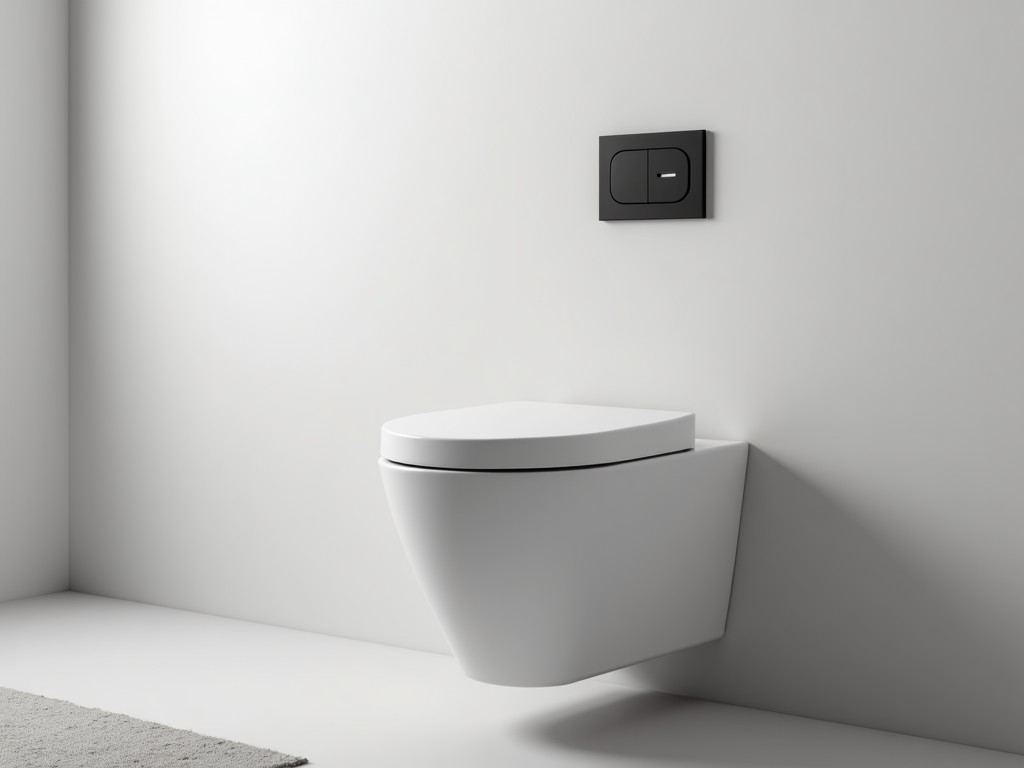
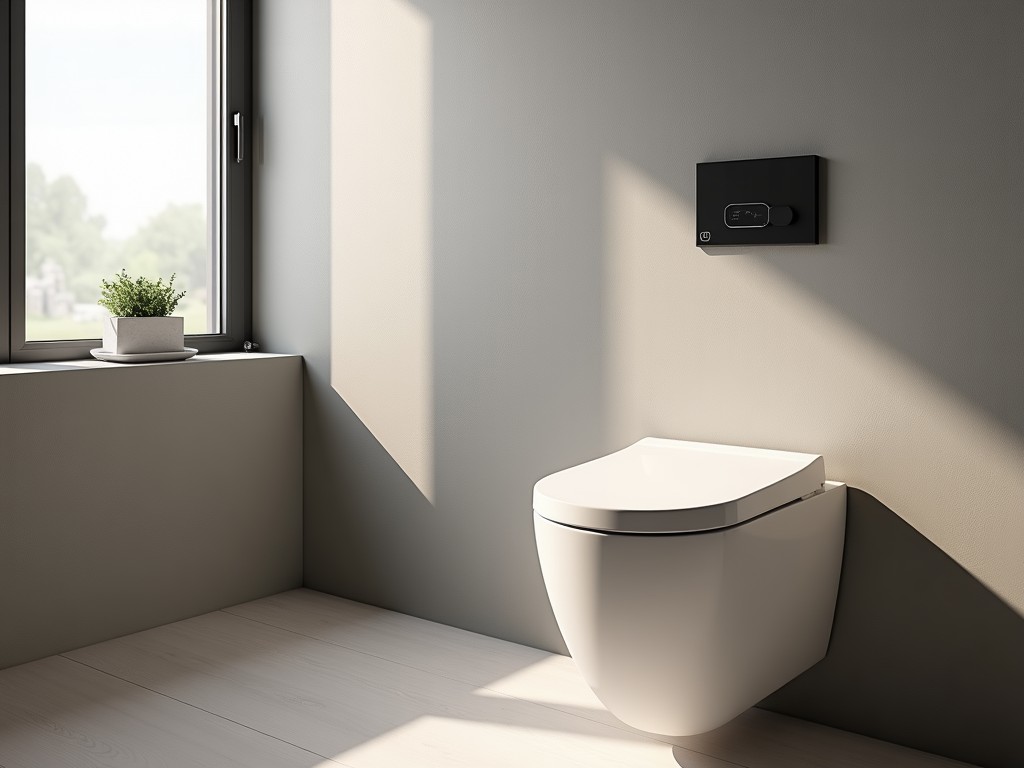
Wall Hung Toilet With Sensor Flush Factory
Wall-Hung Toilet with Sensor Flush – Factory Direct
This unit combines a concealed tank with an infrared proximity sensor that initiates flushing when the user moves away from the bowl. The sensor operates on a low‑voltage DC supply and is rated for 150,000 cycles before performance degradation. Installation requires a standard 6‑mm wall stud framework and a water supply pressure between 0.1 and 0.5 MPa.
Technical Overview
The flushing mechanism uses a solenoid valve actuated by the sensor signal, delivering a dual‑flush volume of 3 L (low) or 4.5 L (full) selectable via a dip‑switch on the control board. Sensor range is adjustable from 80 mm to 150 mm in front of the bowl, allowing adaptation to different user heights.
| Parameter | Typical Value | Notes |
|---|---|---|
| Overall Height (including tank) | 380 mm | Measured from finished floor to top of bowl rim |
| Bowl Width | 360 mm | Standard elongated shape |
| Flush Volume (Low/Full) | 3 L / 4.5 L | Selectable via dip‑switch |
| Sensor Type | Infrared proximity, 940 nm wavelength | Adjustable range 80‑150 mm |
| Power Supply | 12 V DC, 0.5 A max | Class II transformer included |
| Mounting Load Capacity | 150 kg static | Tested per EN 997 |
| Material – Bowl | Vitreous china, ≥ 95 % alumina | Glazed surface, water absorption < 0.5 % |
| Material – Tank | High‑density polyethylene (HDPE) | UV‑stabilized, impact resistant |
Applications
Wall‑hung sensor toilets reduce floor‑space cleaning effort in high‑traffic restrooms because the bowl is suspended, allowing unobstructed mopping. The touch‑free operation minimizes cross‑contamination, making the unit suitable for healthcare facilities, airports, and commercial office towers where hygiene protocols are stringent.
The dual‑flush capability enables facility managers to cut potable water use by up to 35 % compared with conventional 6‑L single‑flush toilets, supporting LEED water‑efficiency credits. Sensor shut‑off prevents unintentional continuous flow, further conserving resources during periods of low occupancy.
Quality Control and Testing
Each unit undergoes a hydrostatic pressure test at 0.8 MPa for 2 minutes to verify tank and seal integrity before leaving the factory. Sensor durability is validated with a 150,000‑cycle actuation test using a mechanical arm simulating user approach and retreat.
Glaze adhesion is assessed via a 500‑gram scratch test per ISO 10545‑14, ensuring the coating remains intact after abrasive cleaning. Final inspection includes a functional flush test at both low and full volumes, measuring actual discharge with a calibrated flow meter (± 2 % tolerance).
Customization Options
The control board can be re‑programmed for alternative flush volumes (2.5 L–5 L) to meet local water‑use regulations. Sensor sensitivity and timeout delay (1–10 s) are adjustable via dip‑switches or optional Bluetooth module.
- Alternative bowl shapes: round front, elongated, or compact.
- Tank insulation kits for low‑temperature environments.
- Decorative front panels in stainless steel or powder‑coated aluminum.
- Remote monitoring interface (Modbus RTU) for facility‑management integration.
Frequently Asked Questions
- Can the flush volume be adjusted after installation?
- Yes, the dip‑switch on the control board allows selection between preset low and full volumes; alternative ranges require a factory‑set configuration.
- What is required for a quotation?
- Provide project location, estimated quantity, desired bowl shape, any custom panel finish, and required documentation (e.g., CE, WRAS).
- Which materials are available for the bowl?
- Standard vitreous china with optional antimicrobial glaze; alternative materials such as stainless‑steel liner are available upon request.
- How is quality inspected?
- Each unit passes hydrostatic, sensor‑cycle, glaze‑adhesion, and functional flush tests as described in the quality‑control section.
- What packaging methods are available for export?
- Units are packed in double‑wall corrugated cartons with foam corner protectors; palletized shipments include stretch‑wrap and edge‑boards for container stability.
- What is the typical production lead time?
- Lead time ranges from 4 to 6 weeks after receipt of deposit, depending on order volume and customization complexity.
For detailed technical data sheets, sample requests, or project‑specific consultation, please contact our engineering team.
Contact Sales for Technical Consultation