Oem Wall Hung Toilet Seat Price
OEM Wall Hung Toilet Seat – Price Factors and Technical Specifications
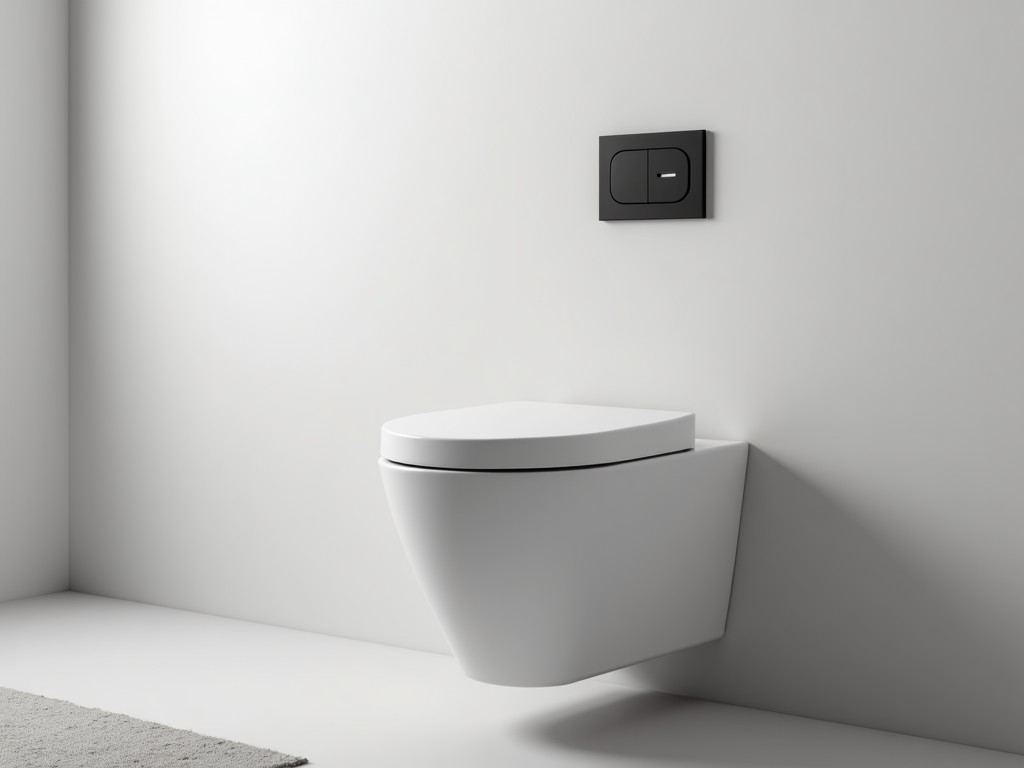
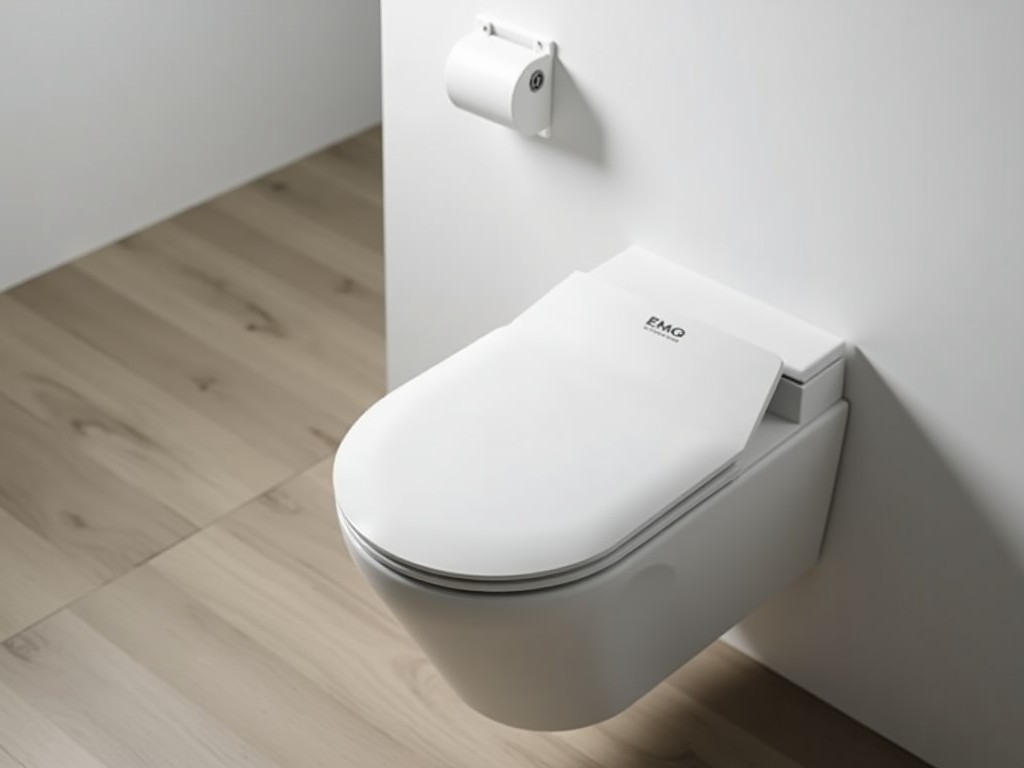
Wall hung toilet seats are fixed to a concealed steel or aluminum frame that carries the load through the wall structure. This arrangement removes visible floor bolts and provides a seamless appearance suitable for commercial and residential projects.
Design and Load Requirements
The seat must resist both static and dynamic forces generated during use. Typical static load ratings for OEM wall hung seats range from 300 kg to 500 kg, while dynamic load ratings (impact from sitting down) are usually 60 % of the static value.
- Static load capacity is determined by the frame geometry, hinge reinforcement, and seat panel thickness.
- Dynamic load testing follows EN 997 or equivalent standards, applying a 100 N impact over 5 cycles.
- A safety factor of 1.5 is commonly applied to accommodate variations in user weight and installation tolerances.
Material Selection
The seat panel is commonly made from polypropylene (PP) or urea‑formaldehyde (UF) resin, each offering distinct mechanical and chemical properties.
- Polypropylene provides a tensile strength of approximately 30 MPa, a flexural modulus of 1.5 GPa, and resistance to most cleaning agents.
- Urea‑formaldehyde offers a higher surface hardness (Shore D 80–85) and a smoother finish, but requires UV stabilizers for long‑term color stability.
- Hinge assemblies are typically produced from 304 stainless steel, delivering a yield strength of 215 MPa and corrosion resistance in wet environments.
Mounting Interface and Compatibility
Compatibility with the concealed carrier system depends on bolt hole spacing, adjustment range, and load distribution plates.
- Standard bolt hole centers are 180 mm apart, with adjustable brackets allowing ±10 mm lateral movement.
- The mounting plate thickness usually ranges from 3 mm to 5 mm to accommodate different wall stud gauges.
- Load is transferred through two primary points; therefore, the seat design must ensure even load distribution to prevent point loading on the frame.
Customization Options
OEM customers can specify several functional and aesthetic attributes without altering the core load‑bearing structure.
- Panel color: available in standard white (RAL 9003), off‑white, or custom Pantone matches upon request.
- Surface finish: matte, gloss, or anti‑bacterial coating (silver‑ion additive) with a minimum inhibitory concentration of 10 ppm.
- Hinge type: standard soft‑close (torque 2.0 Nm–2.5 Nm), quick‑release, or heavy‑duty pivot (torque up to 3.5 Nm).
- Optional accessories: integrated lid lock, seat‑cover sensor cut‑outs, or recessed grip handles.
For detailed specification sheets or to discuss project‑specific requirements, please contact our engineering team.
Quality Control and Testing
Each production lot undergoes a series of inspections to verify dimensional accuracy, material integrity, and functional performance.
- Dimensional inspection: critical features (bolt hole diameter, panel thickness, hinge mounting points) measured with a CMM; tolerance ±0.2 mm.
- Material testing: melt flow index for PP (0.5–2.0 g/10 min) and formaldehyde emission for UF (<0.1 ppm) verified per batch.
- Functional testing: 30 000 open‑close cycles for soft‑close hinges, 500 kg static load test for 10 seconds, and chemical resistance exposure to 5 % bleach solution for 24 hours.
- Visual inspection: surface defect classification according to AQL 0.65 for major defects.
Pricing Considerations
Price variations for OEM wall hung toilet seats are driven by technical choices rather than brand markup.
- Material grade: switching from standard PP to UV‑stabilized PP adds roughly 8 % to unit cost; UF resin adds 12 % due to higher raw material price.
- Hinge specification: soft‑close hinges increase cost by 15 % compared with standard pivot hinges; quick‑release mechanisms add another 5 %.
- Surface treatment: anti‑bacterial coating contributes approximately 4 % to the final price.
- Volume: tooling amortization reduces per‑part cost by 20 % when annual volumes exceed 50 000 units.
- Tolerance tightening: reducing dimensional tolerance from ±0.2 mm to ±0.05 mm can raise machining costs by up to 10 %.
For a detailed quote based on your project specifications, please request a quotation.
Typical Specifications
| Parameter | Typical Value | Customizable Range |
|---|---|---|
| Static load capacity | 300 kg – 500 kg | 200 kg – 600 kg (depending on frame) |
| Dynamic load rating | 180 kg – 300 kg | 120 kg – 360 kg |
| Panel thickness | 12 mm – 18 mm | 10 mm – 22 mm |
| Bolt hole center distance | 180 mm | 160 mm – 200 mm (adjustable brackets) |
| Hinge torque (soft‑close) | 2.0 Nm – 2.5 Nm | 1.5 Nm – 3.5 Nm |
| Panel material | Polypropylene (PP) or Urea‑formaldehyde (UF) | PP, UV‑stabilized PP, UF, ABS blends |
Frequently Asked Questions
Can the seat dimensions be customized to match a specific carrier system?
Yes. Bolt hole spacing, panel thickness, and mounting plate geometry can be adjusted within the ranges shown in the specification table. Custom tooling may be required for deviations beyond the standard adjustment.
What information is needed before receiving a price quote?
To provide an accurate quote we need the anticipated annual volume, selected material (PP, UF, or alternative), hinge type, any surface treatments, and required tolerances. Providing a 3D model or detailed drawing accelerates the review.
How is quality inspected for large OEM orders?
Each lot undergoes dimensional CMM checks, material verification (MFI, formaldehyde emission), functional cycle testing, and visual inspection per AQL 0.65. Test reports are available upon request.
Ready to Discuss Your OEM Requirements?
Our engineering team can review your carrier system specifications, suggest optimal material and hinge combinations, and provide a firm price with lead time.
Request a Quote