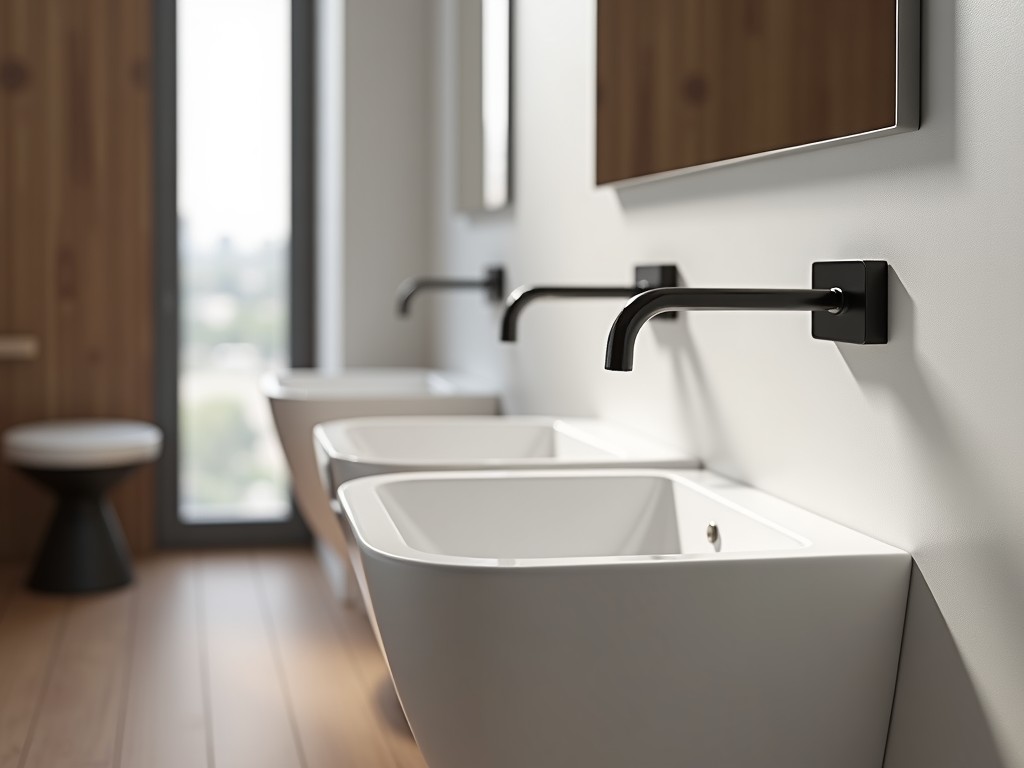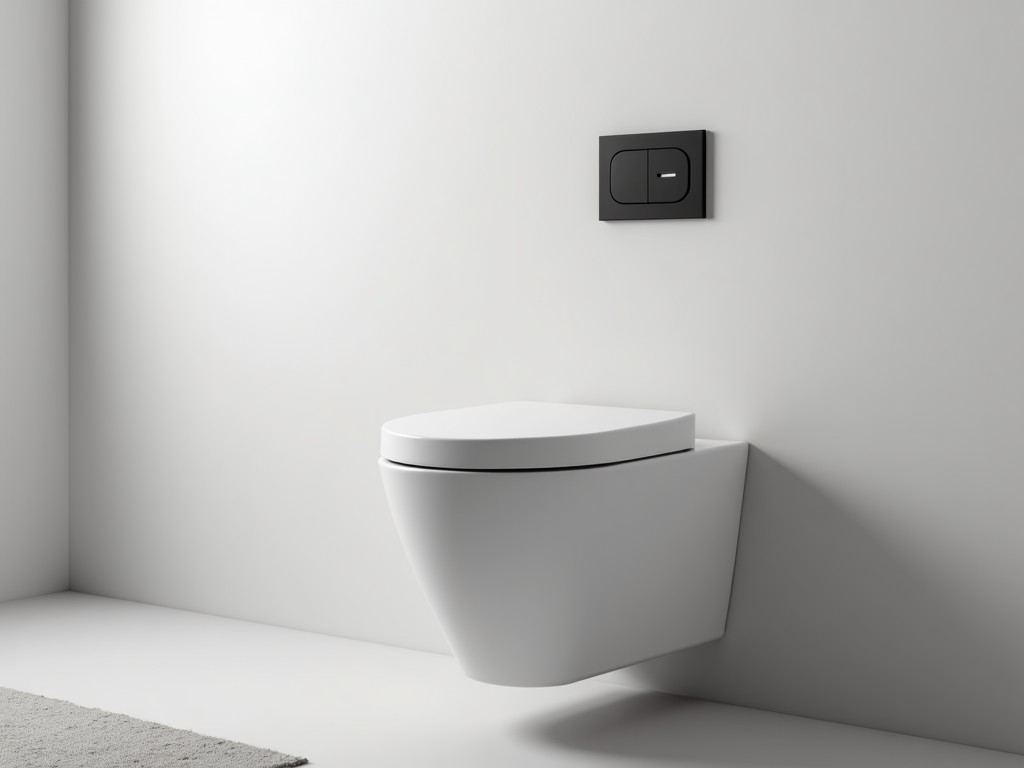
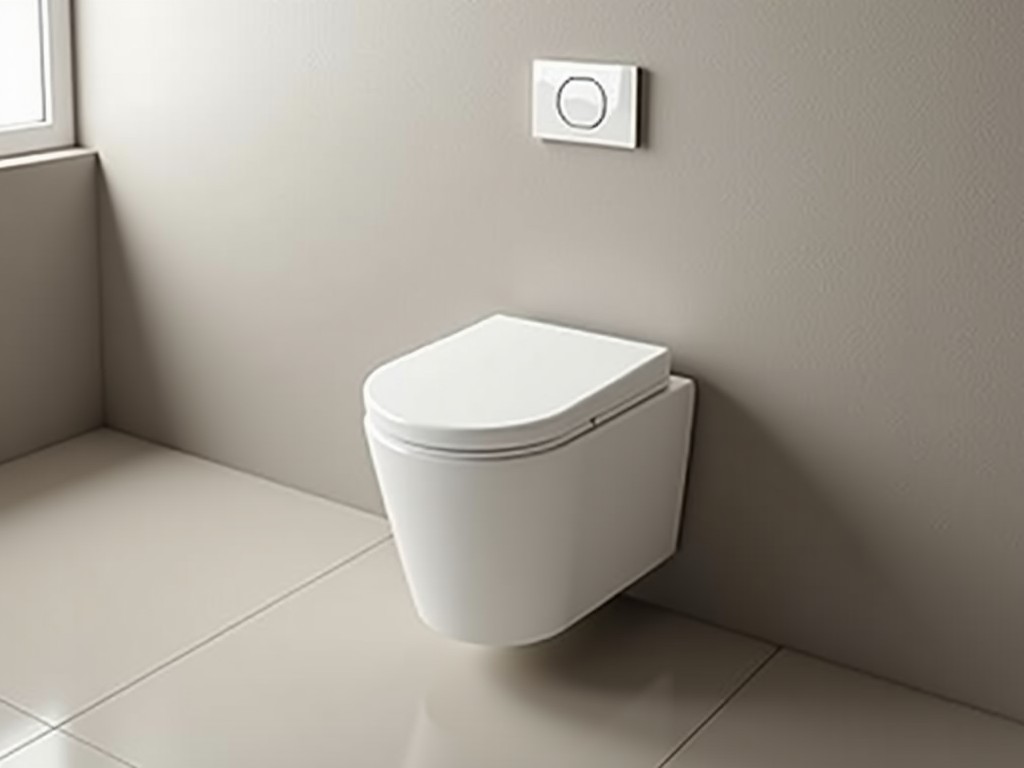
Oem Wall Hung Toilet Cost
OEM Wall Hung Toilet Cost Overview
Original equipment manufacturers specify wall hung toilets when projects require floor‑space savings, simplified cleaning, and compliance with accessibility standards. Understanding the cost drivers helps procurement teams compare quotes, plan tooling amortization, and avoid unexpected price variations during production.
Design and Material Specifications
The fixture consists of a vitreous china bowl, a concealed steel support frame, and a flushing mechanism hidden within the wall cavity. Typical bowl thickness ranges from 6 to 8 mm, providing a compressive strength exceeding 30 MPa after firing. The frame is usually cold‑rolled steel with a minimum yield strength of 250 MPa and is coated with a zinc‑nickel alloy for corrosion resistance in wet environments.
Water consumption is governed by the flush valve; dual‑flush models deliver 3 L/6 L per cycle, meeting most regional water‑efficiency standards. The bowl’s glaze thickness averages 0.15 mm, measured by profilometer, ensuring stain resistance and easy cleaning.
Factors Influencing Unit Cost
- Material grade: higher‑density vitreous china or antimicrobial glaze adds approximately $2‑$4 per unit.
- Frame thickness: increasing from 2 mm to 3 mm steel raises material cost by about $1.50 and improves load rating from 150 kg to 250 kg.
- Flushing mechanism: pressure‑assist valves cost $3‑$5 more than gravity‑fed units due to precision machining.
- Certification requirements: additional testing for ADA, NSF, or WRAS can add $0.50‑$1.00 per unit for documentation and test fixtures.
- Order volume: tooling amortization spreads over production runs; a run of 500 units reduces per‑unit tooling cost by roughly $0.80 compared to a run of 50 units.
Typical Cost Ranges
| Specification | Low Volume (≤100 pcs) | Medium Volume (101‑1000 pcs) | High Volume (>1000 pcs) | Notes |
|---|---|---|---|---|
| Standard vitreous china, 2 mm frame, gravity flush | $45‑$55 | $38‑$45 | $32‑$38 | Base configuration, no special glaze |
| Antimicrobial glaze, 3 mm frame, dual‑flush valve | $58‑$70 | $50‑$60 | $42‑$50 | Adds hygiene and load capacity |
| Custom color finish, stainless‑steel frame, pressure‑assist | $75‑$90 | $65‑$80 | $55‑$68 | Premium aesthetic, higher durability |
Customization Options and Cost Impact
Seat material selection ranges from polypropylene ($1.20) to urea‑formaldehyde ($2.00) and impacts overall cost linearly. Concealed cistern volume can be adjusted from 4 L to 6 L, altering flush performance and requiring different valve springs, which adds $0.30‑$0.70 per liter change. Optional accessories such as grab‑arm brackets or integrated bidet nozzles increase the bill of materials by $4‑$12 per unit, depending on complexity and required flow rates.
Quality Assurance and Testing
Each production lot undergoes hydraulic pressure testing at 1.5 times working pressure (typically 0.6 MPa) to verify leak‑free joints. Load testing applies a static force of 200 kg to the frame for 5 minutes, with deflection measured to ensure it stays below 2 mm. Glaze adhesion is assessed via cross‑hatch tape test, targeting a rating of 5B (no removal) per ASTM D3359. Dimensional inspection checks bowl rim diameter tolerance of ±2 mm and outlet alignment within ±1 mm.
Applications in Commercial and Institutional Projects
Wall hung toilets free up floor area, facilitating faster cleaning cycles in hospitals and reducing slip hazards. The concealed frame allows installation at variable heights, supporting ADA‑compliant seat heights between 430 mm and 485 mm without altering plumbing rough‑in. In high‑traffic venues such as airports, the reduced protrusion minimizes impact damage from luggage carts, extending service life.
Lead Time and Tooling Considerations
Mold fabrication for the vitreous china bowl typically requires 4‑5 weeks, followed by a first‑article inspection that adds 3‑4 days. Once approved, production lead time averages 2‑3 weeks for volumes under 2000 units, scaling linearly with lot size. Tooling costs are amortized over the expected lifecycle; a steel frame die may exceed $12,000, making volume a key factor in per‑unit pricing.
Frequently Asked Questions
- Can dimensions be customized? Yes, bowl projection and height can be adjusted within ±10 mm by modifying the mold core; any change requires a new tooling quote.
- What information is required before quotation? Required data include target annual quantity, material grade, flush type, frame thickness, and any certification standards (e.g., ADA, NSF).
- What materials are available for the frame? Standard cold‑rolled steel, stainless‑steel grade 304, and galvanized steel are offered; each affects corrosion resistance and cost.
- How is quality inspected? Incoming raw material is checked for chemical composition, dimensional inspection occurs post‑firing, and functional testing includes pressure, load, and flush performance.
- What packaging methods are available? Units are packed in single‑wall corrugated cartons with foam corner protectors; palletized loads use heat‑shrink wrap for stability.
- How are export shipments protected? Cartons are lined with moisture‑barrier film and secured with steel straps to prevent shifting during transit.
- What is the typical production lead time? For standard configurations, lead time is 3‑4 weeks after sample approval; custom features may add 1‑2 weeks.
- How are samples arranged? Sample bowls and frames are shipped via express courier; the customer covers freight and any applicable duties.
Contact for a Detailed Quotation
To obtain a project‑specific cost breakdown, contact our engineering team with your volume, material, and performance requirements.