Oem European Bidet How To Use
OEM European Bidet – How to Use
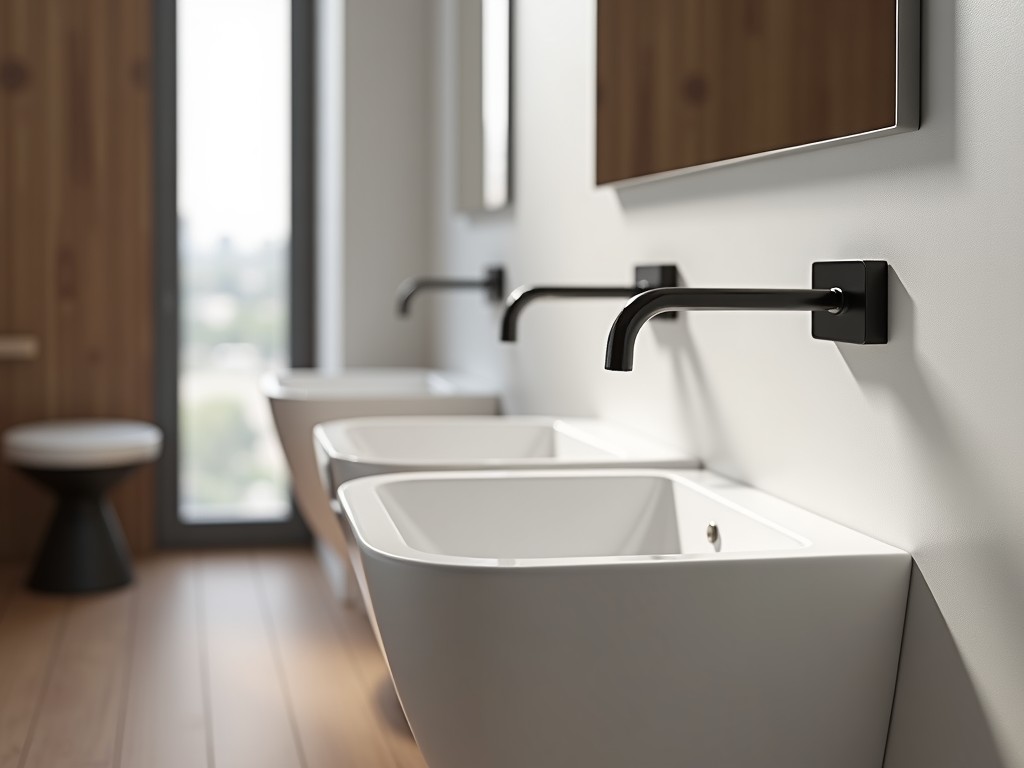
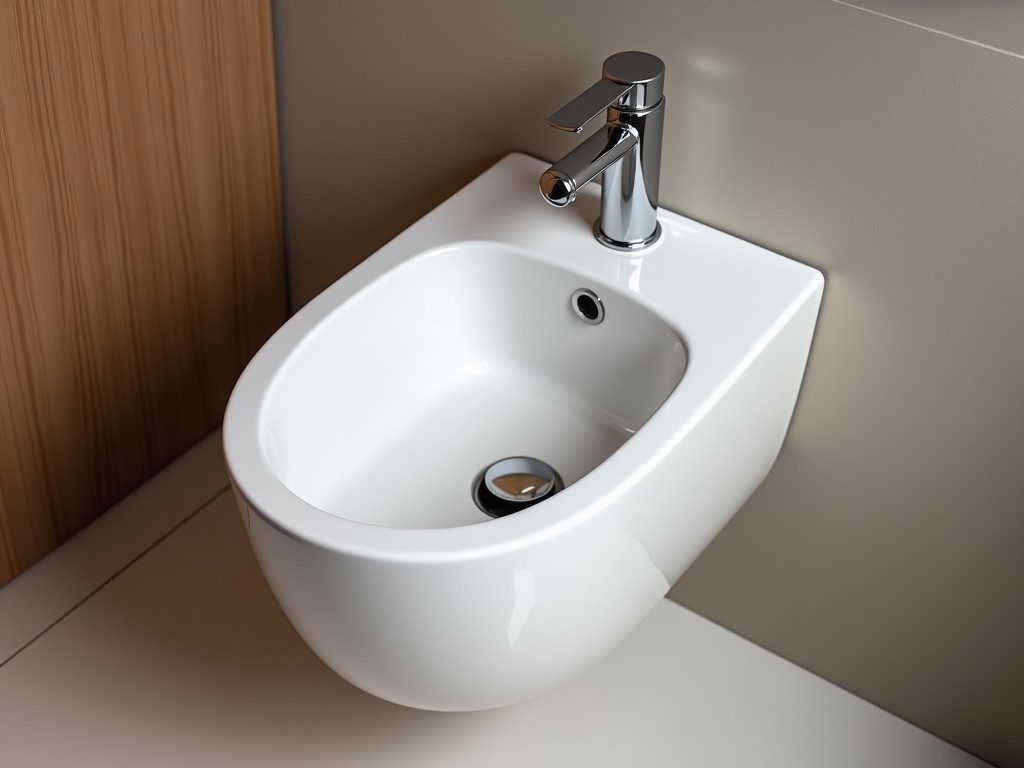
An OEM European bidet is a wall‑mounted or floor‑standing hygiene appliance designed to deliver a controlled water spray for personal cleansing after toilet use. It is typically supplied to manufacturers as a sub‑assembly that can be integrated into toilet suites or sold as a standalone unit. Understanding its design and operation helps engineers specify the correct model for a given project.
Design and Materials
The main body is usually formed from 304 stainless steel sheet with a thickness of 1.2 mm, providing resistance to corrosion in potable water systems exposed to chlorine and mild acids. The nozzle assembly incorporates a brass core coated with a nickel‑chrome finish to withstand repeated thermal cycling. Seals are made from EPDM rubber, rated for continuous operation up to 60 °C and pressures of 10 bar.
- Stainless steel gauge: 1.2 mm (304)
- Nozzle material: brass with Ni‑Cr plating
- Seal material: EPDM, hardness 70 ShA
- Finish: brushed or polished, Ra ≤ 0.8 µm
Operational Principle
Water enters the bidet through a 1/2‑inch NPT inlet and passes through a flow‑control valve that limits pressure to a user‑adjustable range of 0.5–2.0 bar. A solenoid or manual diverter directs the flow to a dual‑orifice nozzle that produces a fan‑shaped spray pattern covering approximately 80 mm width at a distance of 150 mm from the nozzle tip. Temperature mixing, when present, uses a thermostatic valve that blends hot and cold streams to maintain a set point within ±2 °C.
Installation Guide
Mounting options include a concealed bracket that attaches to a stud wall with M6 bolts spaced 200 mm apart, or a floor‑standing base with adjustable leveling feet (±5 mm). The inlet connection requires a flexible stainless‑steel hose rated for 15 bar working pressure, fitted with a check valve to prevent backflow. Electrical models (for heated water) need a 230 V AC, 50 Hz supply with a 10 A fuse and IP44 rating.
Usage Instructions
To operate the bidet, the user first ensures the supply valves are open and the spray selector is set to the desired mode (posterior, feminine, or pulsating). Pressure is adjusted via the rotary knob; a clockwise turn increases flow, delivering up to 6 L/min at maximum setting. For models with temperature control, the user sets the desired temperature on the dial, typically between 30 °C and 40 °C, and waits approximately 5 seconds for the water to stabilize before use.
- Sit upright with hips aligned over the nozzle.
- Activate the spray using the lever or button.
- Adjust angle if the nozzle is movable to target the desired area.
- After cleansing, deactivate the spray and pat dry with toilet paper or a towel.
Maintenance and Cleaning
Routine maintenance involves wiping the nozzle with a soft cloth dampened with mild detergent (pH 6‑8) weekly to prevent mineral buildup. In hard‑water areas, a descaling cycle using a 10 % citric acid solution should be performed every three months, followed by a thorough rinse with potable water. The inlet filter, typically a 200 µm mesh, should be inspected quarterly and replaced if pressure drop exceeds 0.3 bar.
Technical Specifications
| Parameter | Typical Value | Customizable Options |
|---|---|---|
| Body Material | 304 Stainless Steel | 316L, coated alloys |
| Wall Thickness | 1.2 mm | 0.8 mm – 1.5 mm |
| Inlet Connection | 1/2‑inch NPT | 3/4‑inch, BSP, quick‑connect |
| Pressure Rating | 0.5–2.0 bar (adjustable) | Up to 5 bar for high‑flow models |
| Flow Rate | 2–6 L/min | Custom nozzles for 1–10 L/min |
| Temperature Range (if heated) | 30–40 °C | Ambient to 55 °C |
| Seal Material | EPDM | Nitrile, silicone |
| Electrical Rating (heated) | 230 V AC, 50 Hz, 10 A | 110 V AC, 60 Hz options |
Applications
European‑style bidets are specified in projects where water‑based cleansing is preferred over paper for hygiene and sustainability. In healthcare facilities, the hands‑free operation reduces cross‑contamination risk, while hotels use them to enhance guest comfort and meet eco‑label criteria. Residential multifamily buildings adopt bidets to lower toilet paper consumption, contributing to LEED‑related water‑use credits.
Frequently Asked Questions
Yes. The mounting bracket spacing, nozzle projection, and overall height can be adjusted according to the toilet’s rough‑in dimensions. Provide the mounting hole pattern and clearance requirements during quotation.
Q: What information is required before a quotation can be issued?
We need the intended installation type (wall‑mounted or floor‑standing), required pressure and flow range, whether temperature control is needed, material preference (304 vs 316L), and any regulatory certifications (e.g., WRAS, ACS) that apply to the destination market.
Q: How is quality inspected before shipment?
Each unit undergoes a hydrostatic test at 1.5 × rated pressure for 30 seconds, a functional spray pattern check using a calibrated flow meter, and a visual inspection of welds and finishes. Documentation of test results is available upon request.
Q: What packaging methods protect the bidet during export?
Units are packed in double‑wall corrugated cartons with internal polyethylene foam corners. The carton is sealed with polypropylene straps and marked with handling symbols. For LCL shipments, a wooden pallet base is added to facilitate forklift handling.
Contact Us
For further details, customization requests, or to obtain a formal quotation, please reach out to our technical sales team.
Request a Quote