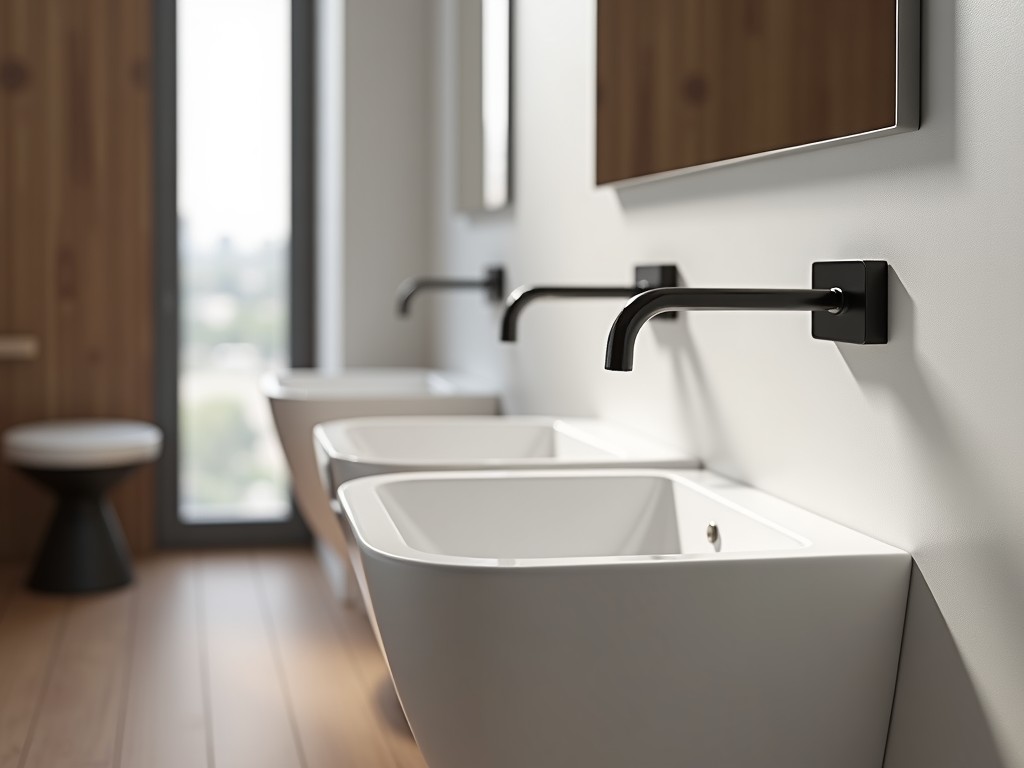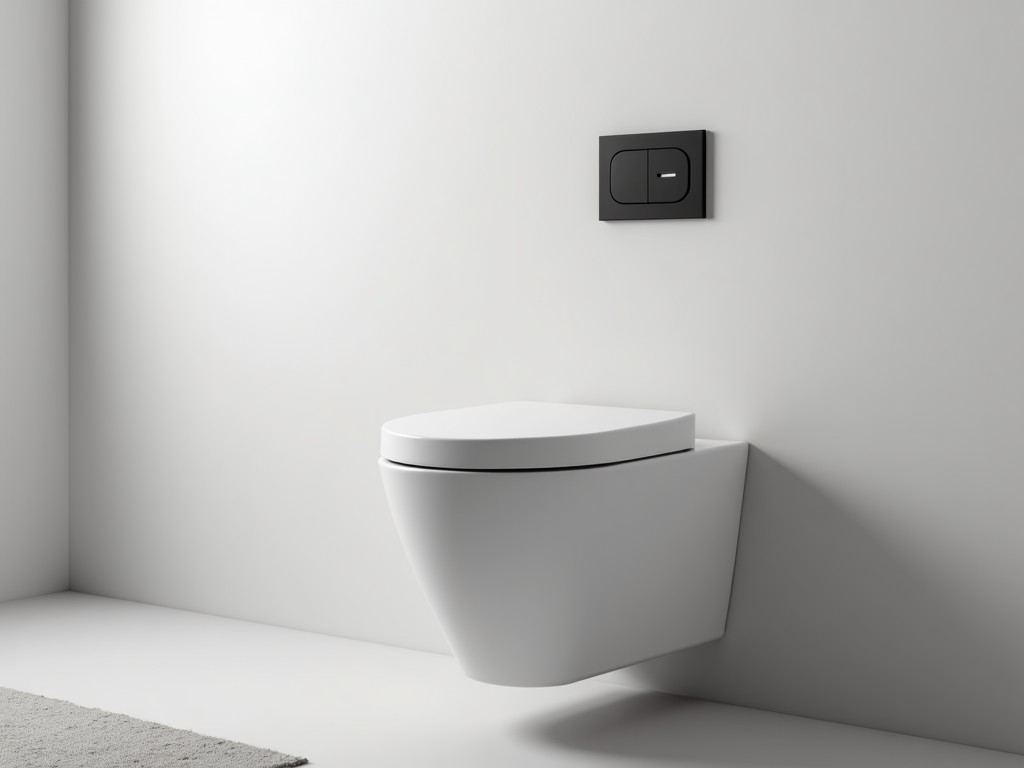
Oem Back To Wall Hung Toilet
OEM Back-to-Wall Hung Toilet
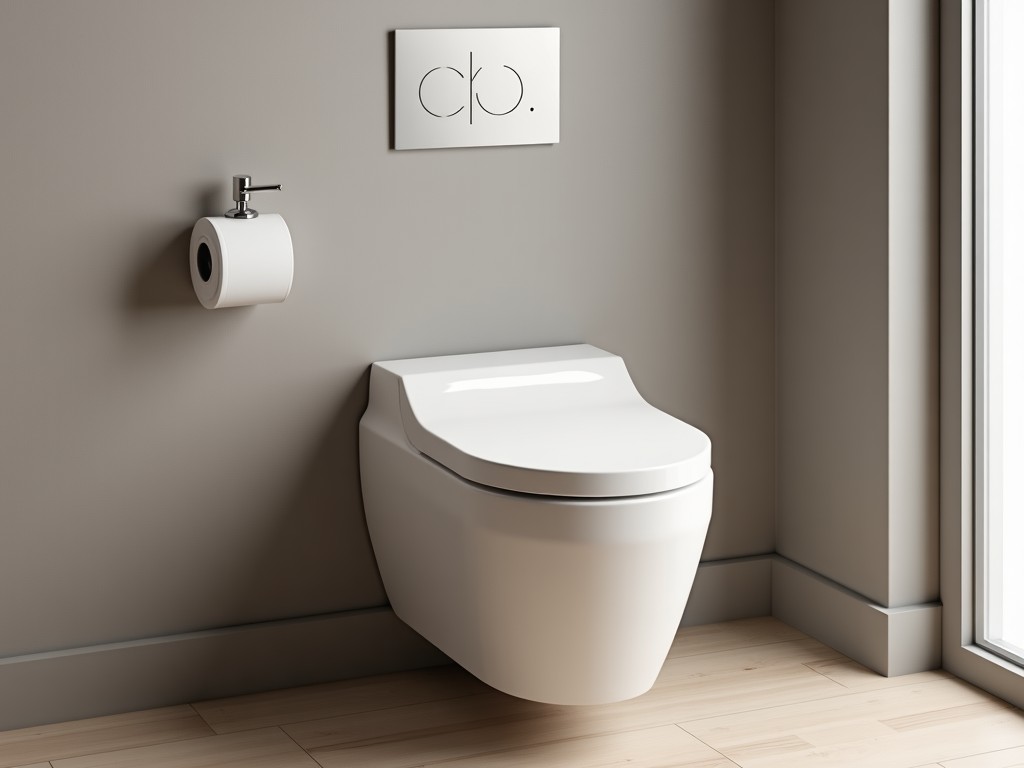
A back-to-wall hung toilet mounts the pan directly to the structural wall while concealing the cistern within a prefabricated chassis, eliminating visible tankwork and reducing the floor‑to‑fixture footprint.
Design & Engineering
The pan is fabricated from vitreous china with a uniform wall thickness of 6 mm, providing resistance to impact loads up to 150 kg when installed per manufacturer specifications.
A concealed cistern utilizes a dual‑flush valve rated for 4.5 L/3 L per cycle, operated via a pneumatic actuator accessed through a removable service panel.
Materials & Finishes
The toilet bowl features a high‑gloss, zero‑porosity glaze that meets ISO 10545‑12 chemical resistance standards, inhibiting staining from common cleaning agents.
Seat options include polypropylene with UV‑stabilized additives or urea‑formaldehyde resin, both rated for 50 000 cycles of repeated loading without deformation.
Optional surface treatments incorporate silver‑ion antimicrobial additives, achieving a 99.9 % reduction of E. coli and S. aureus after 24 h exposure per JIS Z 2801.
Performance Specifications
| Parameter | Typical Value |
|---|---|
| Maximum static load (pan) | 150 kg |
| Flush volume (full/reduced) | 4.5 L / 3.0 L |
| Water inlet pressure range | 0.1 – 0.5 MPa |
| Acoustic rating (flush) | ≤ 45 dB(A) |
| Compliance | EN 997, ASME A112.19.2/CSA B45.1 |
Typical Applications
In hotel guest rooms, the concealed cistern reduces visual clutter and simplifies housekeeping by eliminating exposed tank surfaces that collect dust and moisture.
Office restrooms benefit from the reduced projection of the pan, which improves circulation in high‑traffic corridors and assists compliance with accessibility clearance requirements.
Healthcare facilities specify the smooth, non‑porous glaze and optional antimicrobial surface to support infection‑control protocols and facilitate rapid disinfection between patient uses.
Customization Options
Pan dimensions can be adjusted within a ±10 mm range to accommodate varying wall stud layouts without altering the flushing mechanism.
Flush actuation may be specified as pneumatic, electronic sensor‑activated, or manual push‑button, each with distinct power and maintenance profiles.
Seat color and finish selections include standard white, matte gray, or custom RAL‑matched hues, with optional soft‑close hinges rated for 30 000 cycles.
Access panel dimensions and location are configurable to suit prefabricated wall systems or on‑site masonry constructions.
Quality Assurance
Each unit undergoes hydrostatic testing of the cistern at 1.5 × working pressure for 5 minutes to verify leak‑free performance.
Flush cycle validation is performed using a calibrated flow‑meter, ensuring the dual‑flush volumes remain within ±5 % of target values over 2 000 cycles.
Load testing applies a dynamic 150 kg force via a pneumatic actuator to the pan rim, confirming no permanent deformation or crack initiation.
Final visual inspection checks for glaze uniformity, pinhole density (< 2 per dm²), and correct alignment of mounting brackets before packaging.
Installation Considerations
The mounting frame requires anchoring to at least two vertical studs spaced 400 mm–600 mm apart, each capable of resisting a shear load of 2 kN.
Water supply connections utilize ½‑inch NPT threaded adapters with integrated check valves to prevent backflow, complying with local potable water codes.
A removable service panel of minimum 150 mm × 150 mm must be provided to allow access to the flush valve and inlet filter without damaging the wall finish.
Frequently Asked Questions
Can the pan dimensions be customized to match existing wall stud spacing?
Yes, the pan width and depth can be adjusted within ±10 mm increments; detailed shop drawings are required prior to tooling.
What information is needed to obtain a quotation?
Project‑specific data include wall thickness, stud layout, desired flush volume, seat material, and any required certifications (e.g., WRAS, ACS).
Which flushing mechanisms are available for OEM integration?
Options comprise pneumatic dual‑flush, electronic sensor‑activated, and manual push‑button actuators, each with corresponding voltage or air pressure requirements.
Request a Quote
To discuss technical specifications, lead times, or sample provision for your OEM project, please contact our engineering team via the inquiry form.
Submit Inquiry