Modern Wall Hung Toilet Price
Modern Wall Hung Toilet: Price Considerations and Technical Overview
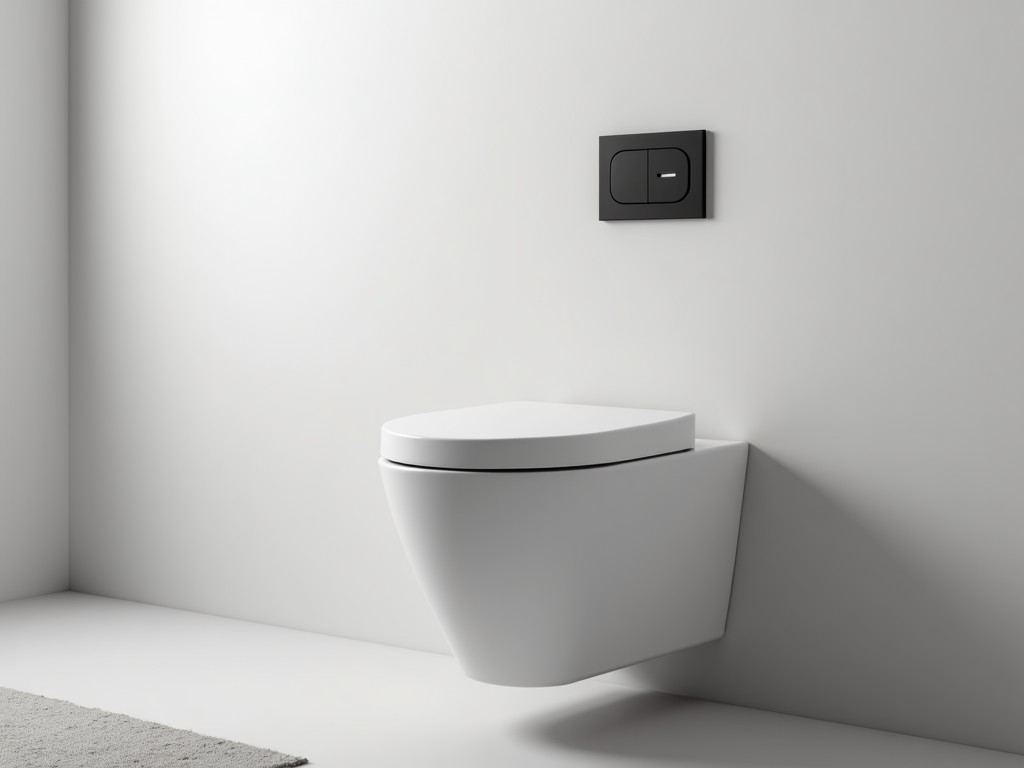
Wall‑hung toilets conceal the cistern behind the wall, leaving only the bowl and seat visible. This configuration reduces floor‑space usage and simplifies cleaning, making it a common choice for high‑traffic commercial restrooms and upscale residential projects.
Key Design Characteristics
The bowl is typically made of vitreous china, providing a non‑porous surface that resists staining and bacterial growth. A steel support frame, often coated with anti‑corrosion epoxy, transfers the load to the wall studs or a dedicated carrier system. Flush mechanisms range from gravity‑fed single‑flush to dual‑flush valves delivering 4.5 L/3 L per cycle.
Factors Influencing Price
- Material grade – standard ceramic versus premium glazed or antimicrobial finishes.
- Flush technology – dual‑flush valves add cost versus basic siphon jets.
- Load rating – frames rated for 400 kg versus 250 kg affect material thickness.
- Certifications – compliance with ASME A112.19.2/CSA B45.1 or EN 997 may involve additional testing.
- Custom options – seat material, actuator color, or concealed access panels.
Typical Price Ranges
| Model Type | Typical Price Range (USD) | Flush Volume (L) | Load Capacity (kg) | Rough‑in (mm) |
|---|---|---|---|---|
| Standard ceramic, single‑flush | 180 – 260 | 6.0 | 250 | 200 |
| Premium glazed, dual‑flush | 320 – 460 | 4.5 / 3.0 | 400 | 200 |
| Stainless‑steel frame, antimicrobial coating | 500 – 720 | 4.5 / 3.0 | 500 | 200 |
Material Options and Performance
Vitreous china remains the most common bowl material due to its compressive strength (> 80 MPa) and low water absorption (< 0.5 %). For environments requiring higher impact resistance, a polymer‑modified ceramic or a stainless‑steel liner can be specified. The carrier frame is usually cold‑rolled steel with a powder‑coat or epoxy finish, providing corrosion resistance in humid conditions.
Installation and Structural Requirements
Proper load transfer depends on anchoring the frame to at least two wall studs spaced 400 mm apart or to a purpose‑built steel carrier that distributes forces across a larger area. The concealed cistern must be accessible via a service panel; typical access opening sizes range from 150 mm × 150 mm to 200 mm × 200 mm.
- Locate studs and mark mounting holes according to the manufacturer’s template.
- Secure the carrier frame with M10 bolts and washers, torque to 25 Nm.
- Attach the bowl to the frame using the supplied locking nuts, ensuring a level installation.
- Connect water supply and test flush operation before sealing the access panel.
Applications in Commercial and Industrial Settings
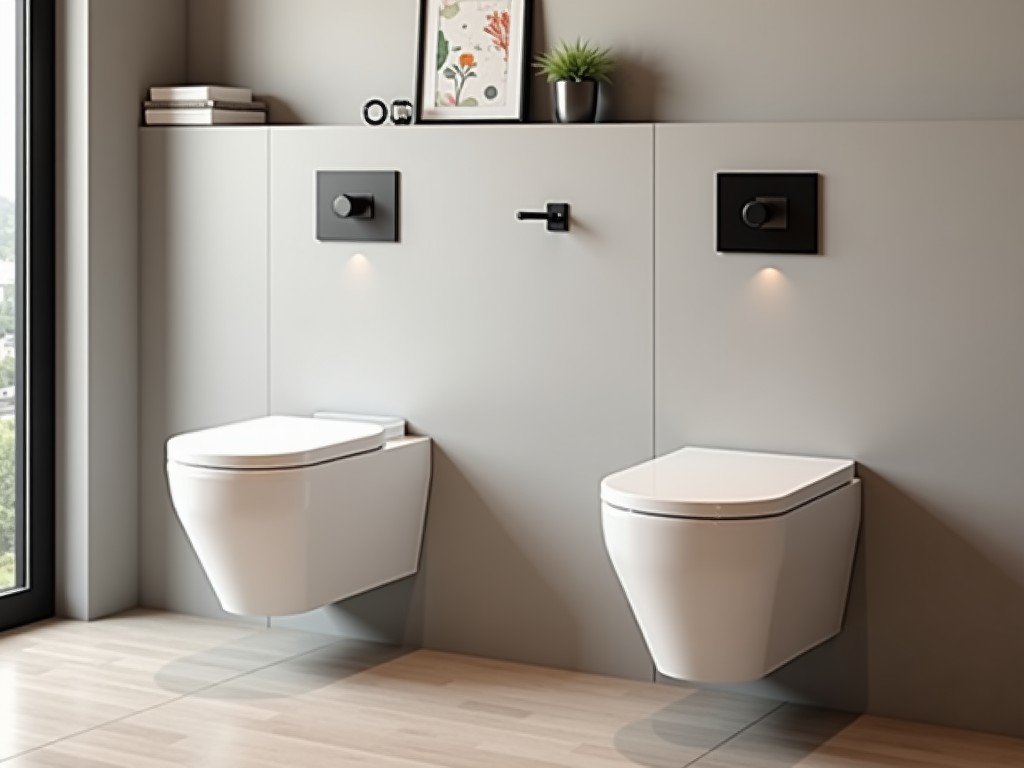
In airports, hospitals, and office towers, wall‑hung toilets reduce cleaning time because the floor beneath the bowl remains unobstructed. The concealed cistern minimizes visual clutter and lowers the risk of damage to exposed plumbing. Additionally, the elevated bowl height (typically 400 mm–460 mm from finished floor) supports ergonomic use for a broader range of users.
Quality Control and Certification
Manufacturers typically perform dimensional checks on the bowl (± 2 mm tolerance), hydrostatic tests on the cistern (1.5 × working pressure for 5 min), and load‑deflection tests on the frame (up to 1.5 × rated load). Compliance with ASME A112.19.2/CSA B45.1 or EN 997 is verified through third‑party testing before shipment.
Customization Possibilities
Beyond standard white, bowls can be supplied in muted grey, beige, or custom colors achieved through ceramic pigments. Seat options include polypropylene, urea‑formaldehyde, or soft‑close mechanisms. Flush actuators may be chrome‑plated, brushed nickel, or touch‑less infrared sensors, each affecting the final cost.
Frequently Asked Questions
- Can the rough‑in distance be altered? Most carriers allow adjustment within ± 20 mm; larger changes require a custom frame.
- What information is needed for a quotation? Project location, required load rating, flush volume preference, seat material, and any special finish or certification.
- How is the wall‑hung toilet packaged for export? The bowl and frame are separated, placed in corrugated cartons with foam corner protectors, and secured on pallets with stretch film.
- What is the typical production lead time? Standard models ship in 3‑4 weeks; customized units may take 6‑8 weeks depending on tooling.
For detailed pricing, technical drawings, or to discuss specific project requirements, please use the contact form below.
Request a Quote