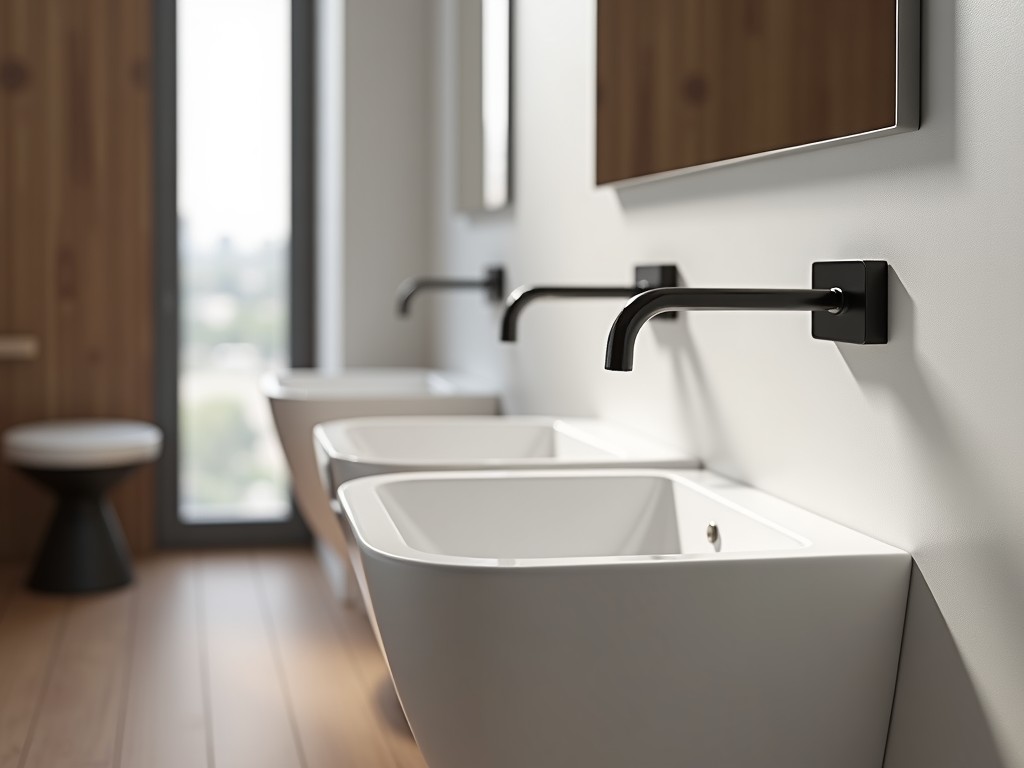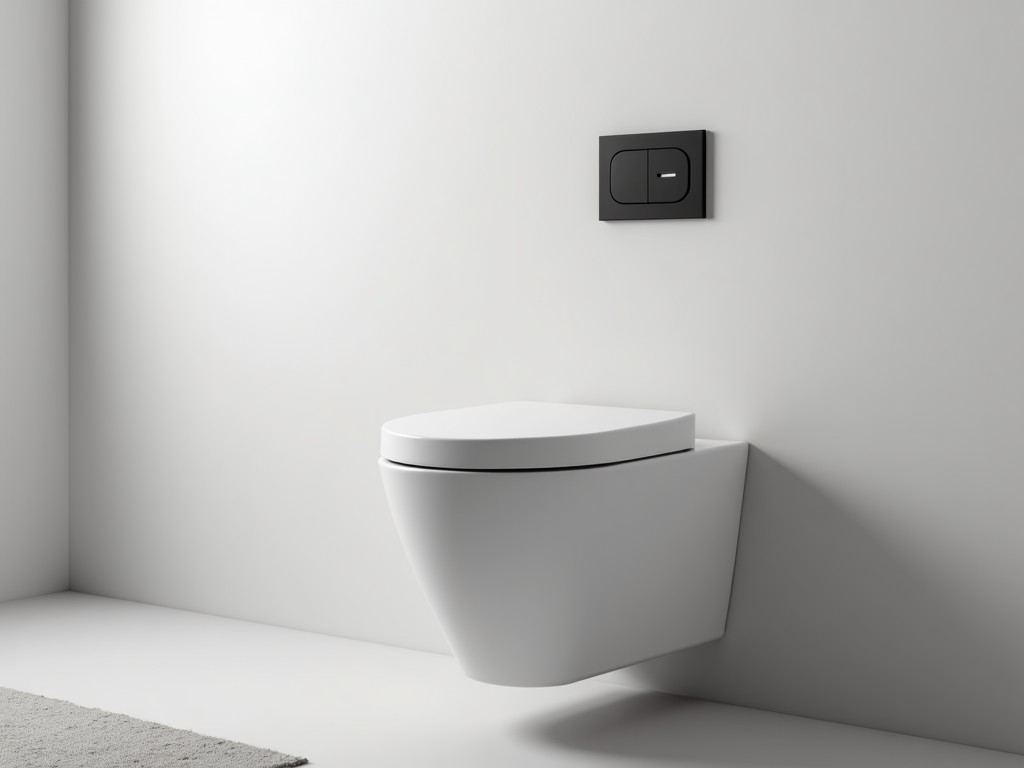
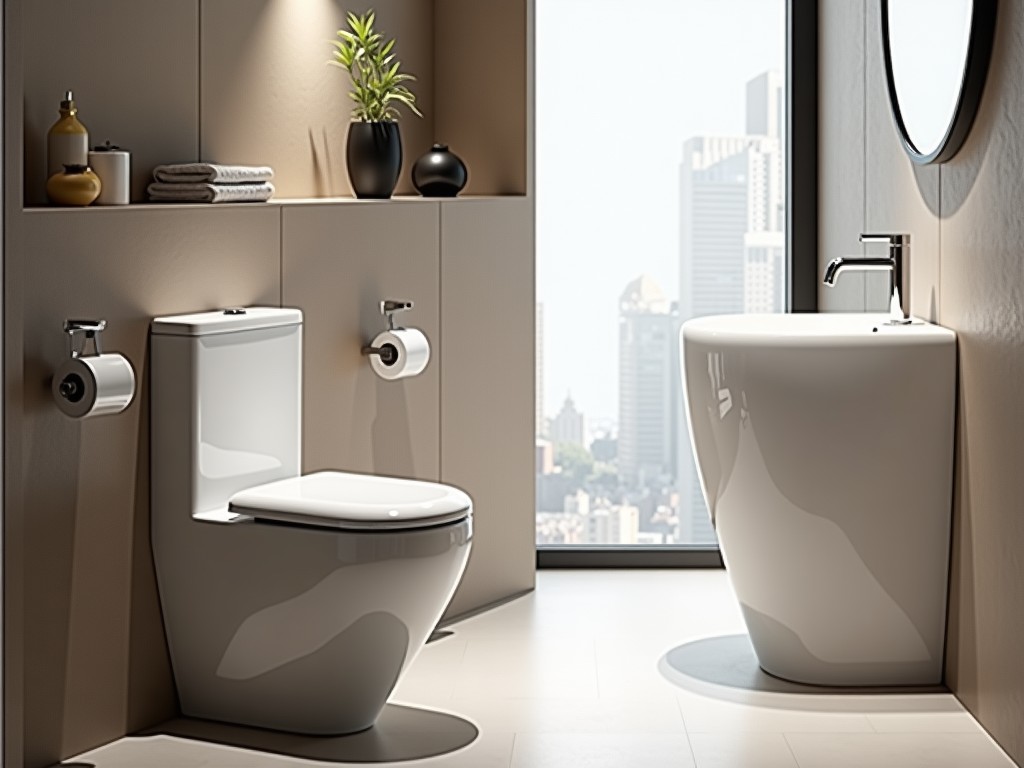
Direct Factory Vitreous China Sanitary Ware
Direct Factory Vitreous China Sanitary Ware
Vitreous china is a ceramic body formulated from kaolin, ball clay, feldspar, and silica, fired at temperatures between 1220 °C and 1280 °C to achieve a non‑porous, glass‑like surface. The resulting material exhibits low water absorption (typically ≤0.5 %), high compressive strength (≥ 50 MPa), and resistance to chemical attack from common cleaning agents.
Material Composition and Properties
The typical oxide composition after firing is approximately 30 % SiO₂, 20 % Al₂O₃, 10 % CaO, 10 % Na₂O/K₂O, and the remainder fluxes and glass phase. This microstructure yields a flexural modulus of around 20 GPa and a hardness of 6–7 on the Mohs scale, suitable for high‑traffic sanitary installations.
Manufacturing Process Overview
Raw materials are wet‑ground to a slurry, de‑aired, and formed using high‑pressure casting or pressing techniques. Green bodies undergo drying at 100‑120 °C to remove moisture, followed by bisque firing at ~900 °C to increase mechanical strength before glaze application. A clear or colored glaze is applied via spraying or dipping, then the ware is fired again to maturity, developing the vitreous surface.
Dimensional Tolerances and Performance
Standard tolerances for wall thickness are ± 1.5 mm, and for critical mating surfaces (e.g., trap outlets) ± 0.5 mm. Impact resistance is measured by a falling‑ball test, where a 500 g steel ball dropped from 1 m produces no visible cracking. Surface hardness ensures resistance to abrasion from routine cleaning tools.
Typical Technical Values
| Property | Typical Value | Test Method |
|---|---|---|
| Water Absorption | ≤0.5 % | ASTM C373 |
| Compressive Strength | ≥50 MPa | ASTM C150 |
| Flexural Strength | ≥10 MPa | ASTM C1161 |
| Thermal Expansion Coefficient | 5.5 × 10⁻⁶ / °C | ASTM C372 |
| Surface Hardness (Mohs) | 6‑7 | Scratch Test |
Applications in Industrial Facilities
- Laboratory wash stations where chemical resistance to acids and solvents is required.
- Food‑processing plant hand‑washing basins that must withstand frequent sanitation cycles.
- Heavy‑duty restrooms in manufacturing plants subject to high impact and abrasive cleaning.
- Pharmaceutical cleanrooms needing non‑porous surfaces to prevent microbial harborage.
The low porosity eliminates moisture ingress, reducing the risk of staining or bacterial growth in environments where hygiene is critical. The glaze surface remains stable under repeated exposure to alkaline detergents, chlorine‑based sanitizers, and hot water up to 80 °C.
Quality Control and Testing
Each batch undergoes dimensional inspection using calibrated calipers and coordinate‑measuring machines for critical interfaces. Visual inspection checks for glaze defects such as pinholes, crawling, or color variation under standardized lighting. Finished pieces are subjected to a hydrostatic pressure test (1.5 × working pressure) to confirm leak‑free performance before packaging.
Customization Options
- Variable wall thickness to meet specific load‑bearing requirements.
- Custom glaze colors (RAL or Pantone) for branding or safety coding.
- Integrated accessories such as soap dispensers, sensor faucets, or anti‑vandal brackets.
- Non‑standard outlet angles or trap configurations to suit site‑specific plumbing layouts.
Custom tooling is developed after reviewing CAD models or physical samples, with lead times typically ranging from 4 to 6 weeks depending on complexity. Prototypes can be produced for fit‑and‑function validation before full‑scale production.
Packaging and Logistics
Items are packed in double‑wall corrugated cartons with interior foam corners and edge protectors to resist shock during transit. Palletized loads are secured with stretch film and corner boards, conforming to ISPM‑15 standards for export. Each carton includes a packing list, material safety data sheet, and installation guide.