China Wisemaker Sanitary Ware
China Wisemaker Sanitary Ware – Technical Overview
This product line consists of vitreous china fixtures manufactured using a high‑silica clay body, feldspar flux, and quartz filler. The raw mix is milled to a particle size below 45 µm before slip casting, which influences green density and shrinkage behavior.
Firing occurs in a single‑stage tunnel kiln at 1240 °C with a soak time of 45 minutes, achieving a water absorption rate below 0.5 % as per ISO 10545‑3. The resulting microstructure exhibits a closed pore network that limits staining and chemical attack.
Material Composition
- Kaolin clay (30‑35 %) provides plasticity and green strength.
- Ball clay (10‑15 %) improves workability and reduces drying shrinkage.
- Feldspar (20‑25 %) acts as a flux, promoting vitrification at lower temperatures.
- Silica sand (20‑25 %) contributes to mechanical hardness and thermal expansion matching.
Dimensional Tolerances
| Fixture Type | Length Tolerance | Width Tolerance | Height Tolerance |
|---|---|---|---|
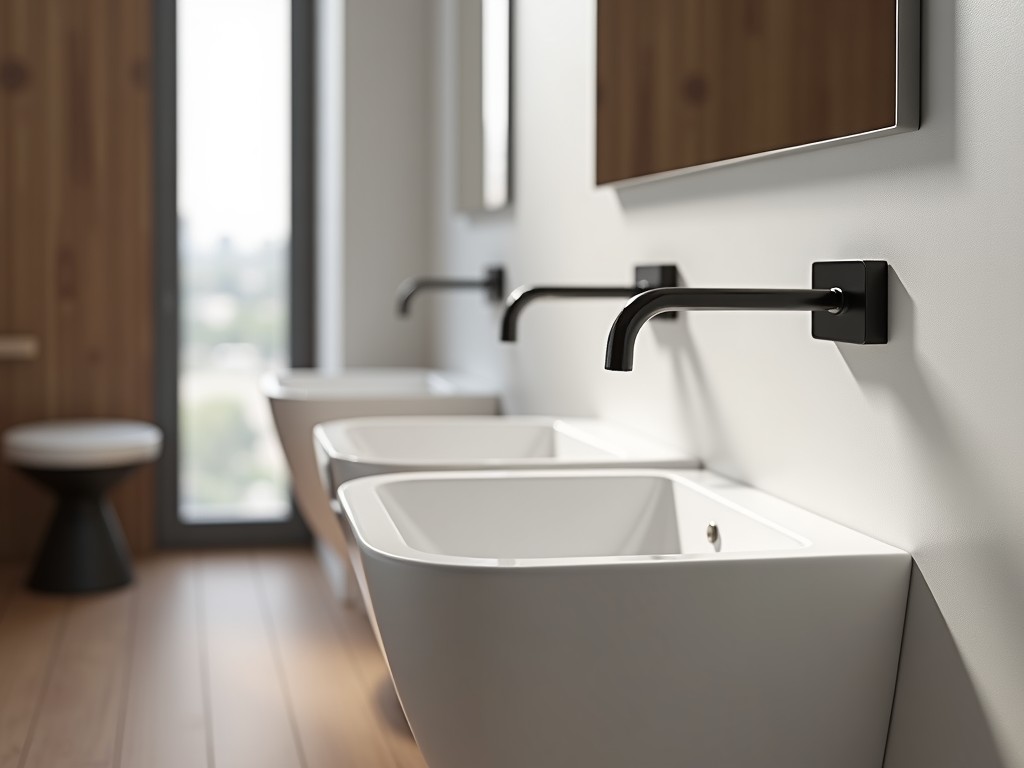
| Wall‑mounted basin | ±3 mm | ±2 mm | ±2 mm |
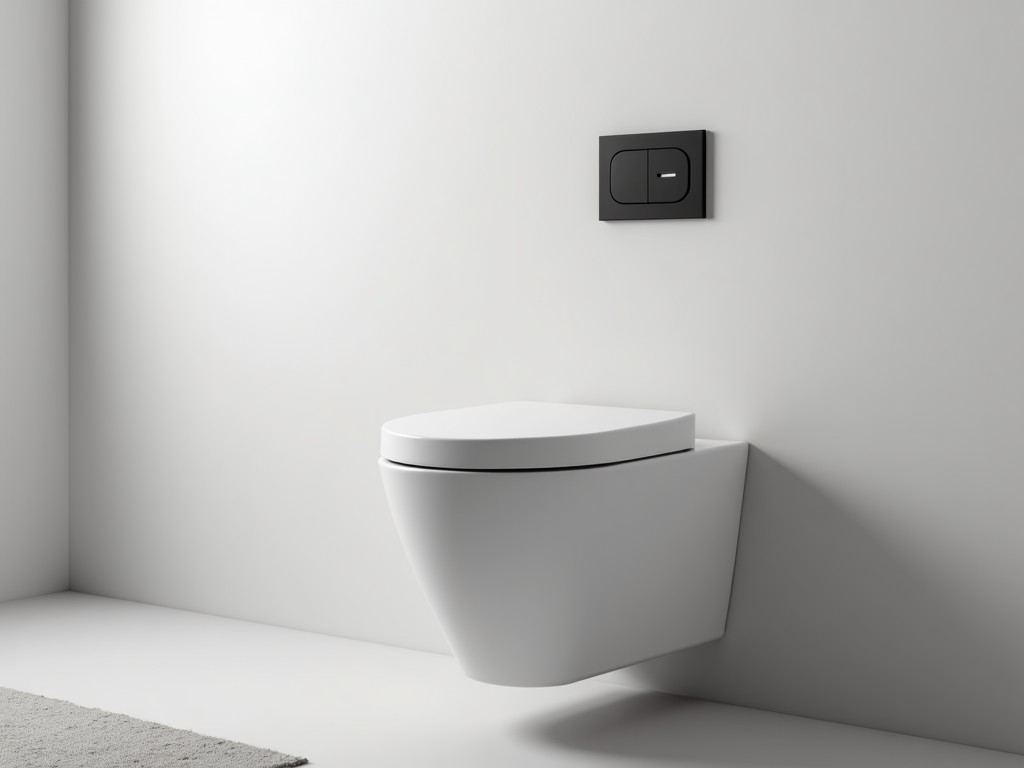
| Floor‑standing toilet pan | ±4 mm | ±3 mm | ±3 mm |
| Urinal stall | ±3 mm | ±2 mm | ±2 mm |
Surface Finish Options
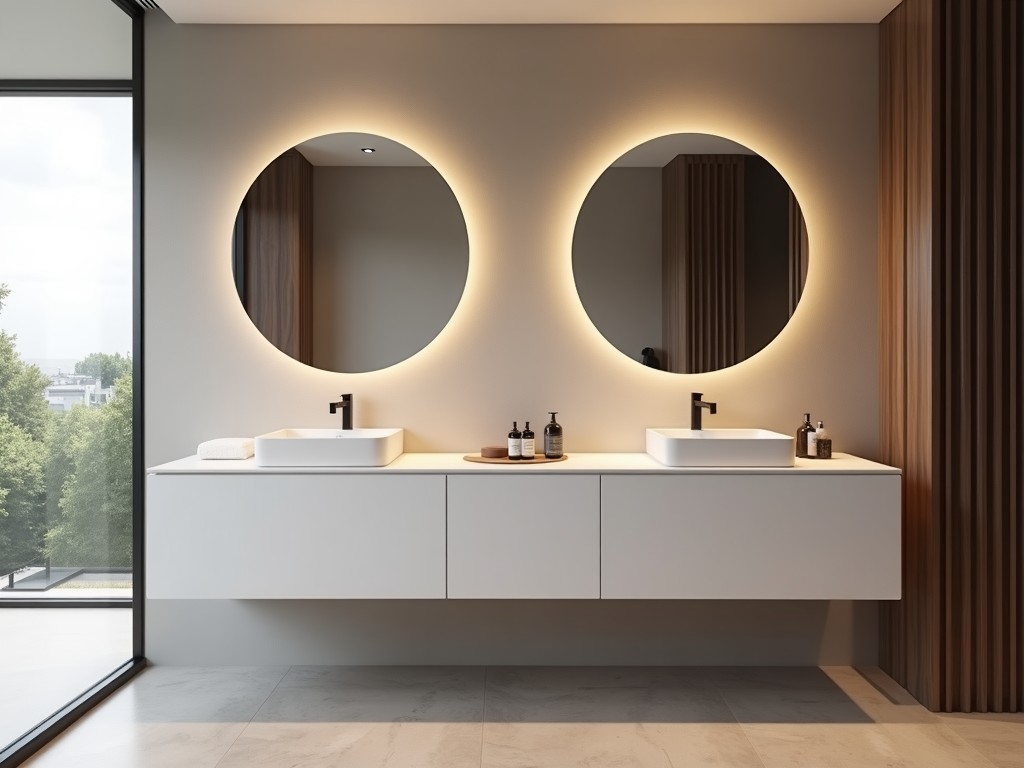
The standard finish is a smooth, glazed surface with a gloss rating of 70‑80 GU measured at 60° angle. An optional matte glaze reduces gloss to 20‑30 GU and provides a slightly higher slip resistance (wet pendulum test value ≈ 45). Both finishes undergo a post‑glaze annealing cycle to relieve thermal stress and minimize crazing risk.
Application Suitability
In commercial restrooms, the low water absorption and chemical resistance of vitreous china prevent urine scaling and facilitate routine cleaning with alkaline detergents. The material’s compressive strength (> 80 MPa) supports repeated load cycles from seat impacts without cracking.
Healthcare environments benefit from the non‑porous glaze, which inhibits microbial biofilm formation when paired with regular disinfection protocols. The product’s resistance to staining from iodine‑based antiseptics has been validated in simulated exposure tests (24 h at 0.5 % povidone‑iodine, ΔE < 2).
Hospitality installations often require aesthetic consistency across large batches; the tight dimensional tolerances listed above ensure uniform alignment of wall‑mounted units, reducing installation rework and sealant usage.
Quality Control Process
- Green body inspection: laser scanning for wall thickness variation (±0.15 mm) before drying.
- Drying stage: moisture content monitored via capacitance sensors; target < 0.5 % to avoid warping.
- Pre‑firing check: visual inspection for glaze defects, particle inclusions, and blistering.
- Post‑firing testing: water absorption (ISO 10545‑3), modulus of rupture (ASTM C373), and chemical resistance (ISO 10545‑13).
- Final audit: dimensional verification using CMM, surface gloss measurement, and functional test of flush mechanisms where applicable.
Customization Capabilities
Clients may specify alternative glaze colors by adding metal oxide pigments (e.g., cobalt for blue, chromium for green) at concentrations up to 0.8 % weight. Custom shapes are achievable through modified plaster molds; lead time increases proportionally with mold complexity, typically adding 2‑4 weeks to the standard 6‑week production cycle.
For projects requiring antimicrobial surfaces, a silver‑ion doped glaze layer can be applied, providing a sustained release rate of approximately 0.02 mg Ag⁺ cm⁻² day⁻¹ under neutral pH conditions, as measured by ISO 22196.
Frequently Asked Questions
Can dimensions be customized beyond the standard tolerances?
Yes, custom dimensions are possible; however, deviations beyond ±5 mm may require new mold fabrication and additional validation of firing shrinkage.
What information is needed for a quotation?
Please provide fixture type, required quantity, glaze finish (gloss or matte), any color or antimicrobial specifications, and desired delivery date.
Which materials are available for the body?
The standard body is a vitreous china mix; alternative bodies such as fire‑clay or porcelain can be supplied upon request, with adjustments to firing schedule.
How is quality inspected before shipment?
Each batch undergoes the QC steps outlined above, and a random sample of 5 % is subjected to full mechanical and chemical testing; results are documented in the inspection report accompanying the shipment.
What packaging methods are used for export?
Fixtures are packed in double‑wall corrugated cartons with corner protectors, stacked on pallets, and secured with stretch film; moisture‑absorbent sachets are included to limit condensation during transit.