Buy Cost Of A Bidet Toilet
Overview of Integrated Bidet Toilets
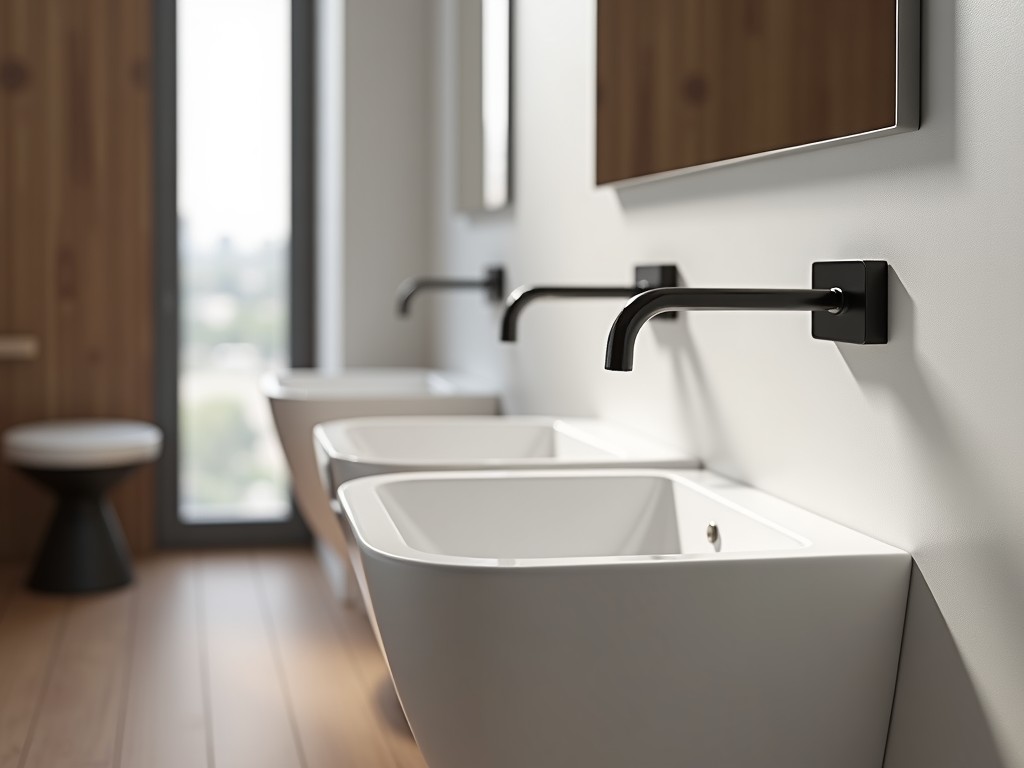
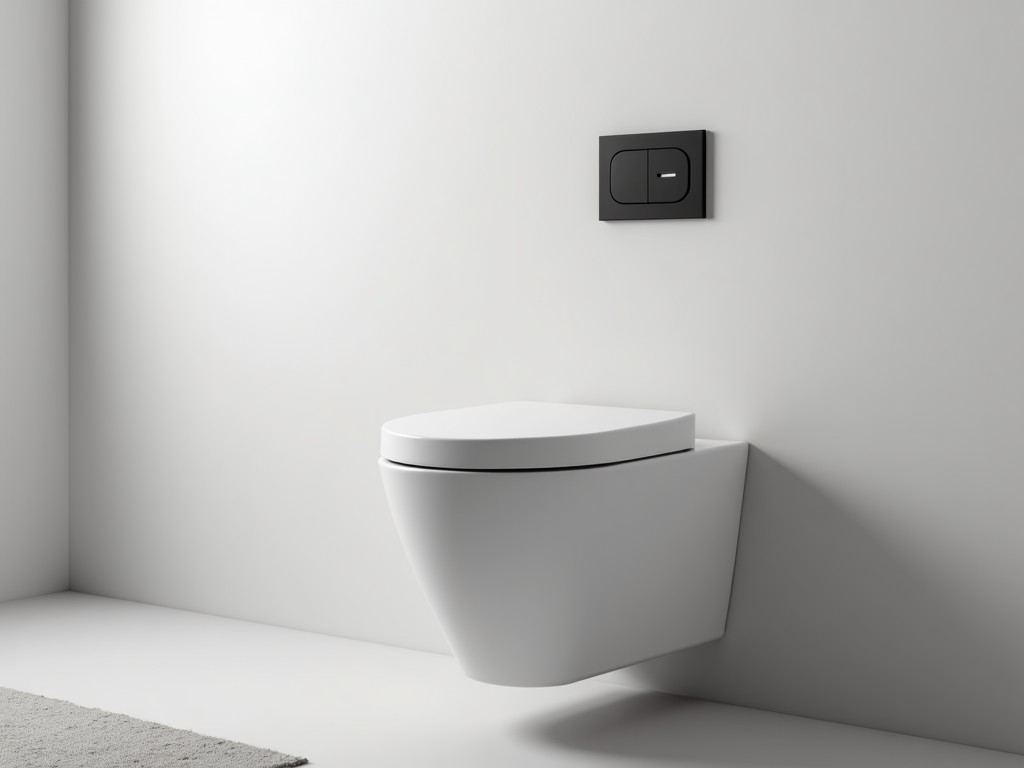
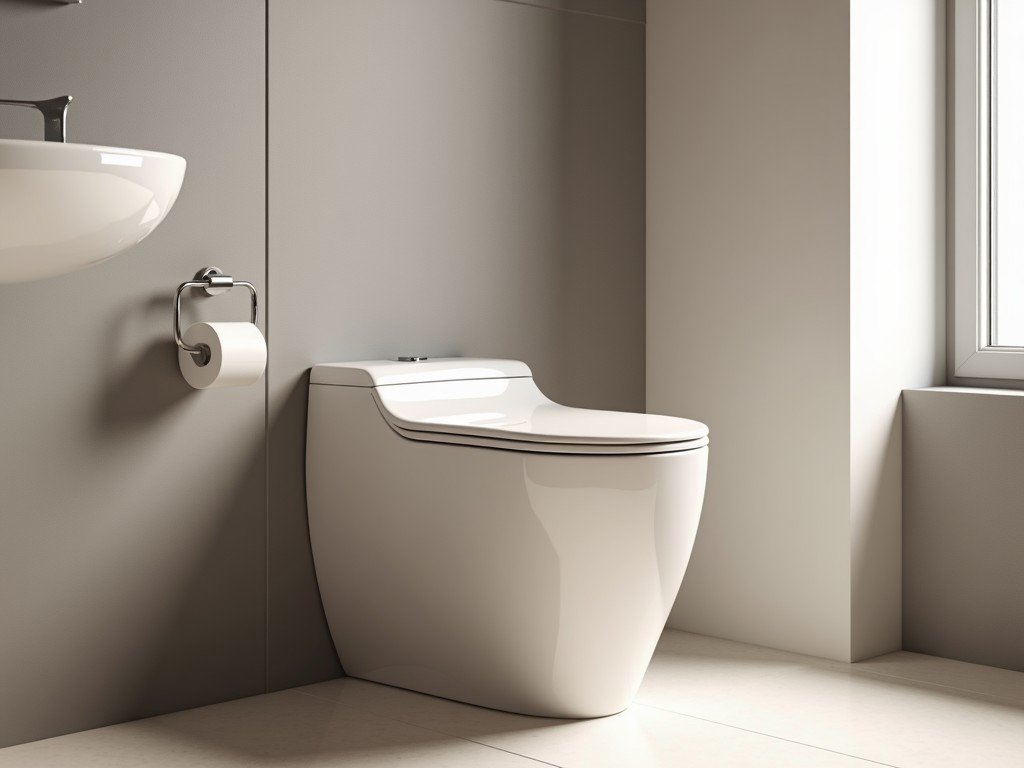
An integrated bidet toilet combines a vitreous china bowl with a built‑in cleansing nozzle, seat heating, air drying, and optional deodorization. The unit receives potable water through a dedicated inlet and requires an electrical connection for heating and motor‑driven functions.
Core Technical Specifications
Typical bowl geometry follows ASME A112.19.2 standards with a trapway diameter of 50 mm to ensure reliable flush performance. The bidet nozzle delivers a adjustable spray flow between 0.2 L/min and 0.6 L/min, with nozzle position adjustable ±15° horizontally and ±10° vertically.
Seat heating uses a PTC element capable of maintaining surface temperatures from 30 °C to 40 °C, controlled by a thermostat with ±1 °C accuracy. Air drying employs a centrifugal fan rated at 15 W delivering airflow of 2.5 m³/min.
Electrical requirements are 120 V AC, 60 Hz, with a peak draw of 1.2 kW during heating and drying cycles; average consumption during idle is under 5 W. Water inlet pressure should be between 150 kPa and 500 kPa.
Factors Influencing Unit Cost
Material selection for the bowl (standard vitreous china vs. antimicrobial glazed) affects base price by approximately 8‑12 %.
Feature level—basic nozzle only, heated seat, warm air dryer, deodorizer, remote control—adds incremental costs ranging from $40 to $180 per option.
Installation complexity varies with site conditions: a new dedicated water line and GFCI‑protected outlet add labor costs of $120‑$250, whereas retrofit installations using existing plumbing may reduce this to $60‑$100.
Regional labor rates and freight distances further modify the final delivered price, typically causing a ±15 % variance from the manufacturer’s list price.
Typical Price Ranges
| Feature Level | Approx. Unit Cost (USD) | Included Functions |
|---|---|---|
| Basic (nozzle only, manual control) | $280‑$340 | Adjustable spray, self‑cleaning nozzle |
| Mid‑range (heated seat, dryer) | $420‑$520 | Seat heating 30‑40 °C, warm air dryer, remote |
| Premium (full suite, deodorizer, night light) | $620‑$780 | All mid‑range features plus activated carbon deodorizer, LED night light, user presets |
Typical Applications
In commercial office buildings, integrated bidet toilets reduce restroom consumable usage by eliminating the need for toilet paper, supporting sustainability goals and lowering waste‑handling costs.
Healthcare facilities benefit from hands‑free operation and antimicrobial surfaces, which help control cross‑contamination in patient rooms and long‑term care wards.
Hospitality installations (luxury hotels, resorts) use the premium feature set to enhance guest experience, often correlating with higher satisfaction scores and repeat‑business metrics.
High‑end residential projects specify these units as a value‑adding upgrade, where the incremental cost is offset by increased property appraisal value in certain markets.
Installation Considerations
A dedicated cold‑water line with shut‑off valve is required; the line should be sized for a minimum flow of 2 L/min to satisfy both flush and bidet functions simultaneously.
Electrical service must include a GFCI‑protected receptacle within 1.2 m of the unit, capable of delivering the specified 120 V AC, 60 Hz supply.
Floor reinforcement is generally unnecessary for standard‑weight vitreous china units (< 45 kg), but elevated installations on raised platforms should verify load capacity.
Ventilation is not required for the bidet functions, but local codes may mandate exhaust fans in restrooms; ensure the electrical circuit can accommodate any additional load.
Maintenance and Lifecycle
Nozzle self‑cleaning cycles run after each use; manual cleaning with a non‑abrasive cloth and mild detergent is recommended monthly to prevent mineral buildup.
Seat heating elements have a rated lifespan of 30,000 hours; replacement kits are available and typically require < 30 minutes of technician time.
Air dryer filters (where applicable) should be inspected every six months and replaced if pressure drop exceeds 20 % of baseline.
Under normal use, the vitreous china bowl retains structural integrity for 25 years or more, while electronic components are designed for a 10‑year service life before major overhaul.
Frequently Asked Questions
- Can the water inlet and electrical outlet be relocated? – Yes, both connections use standard ½‑inch NPT fittings and a IEC C13 inlet; relocation requires re‑routing of supply lines and conduit.
- What information is needed for a formal quotation? – Project address, desired feature level, quantity, required delivery date, and any special certification needs (e.g., ADA compliance).
- Are there options for different bowl colors or finishes? – Standard white vitreous china is available; custom colors or antimicrobial glazes are offered upon request with possible lead‑time extension.
- How is quality verified before shipment? – Each unit undergoes functional test of flush volume (≥ 6 L), nozzle spray pattern, seat temperature uniformity, and electrical safety (hipot and continuity) per IEC 60335‑2‑40.
- What packaging methods protect the product during transit? – Units are packed in double‑wall corrugated boxes with corner foam inserts, palletized and stretch‑wrapped for LTL or FTL shipment.
- What is the typical production lead time? – Depending on feature selection and current capacity, lead time ranges from 4 to 6 weeks for standard configurations.
Next Steps
To obtain a detailed, project‑specific quotation, please provide your specifications via the contact form. Our engineering team will review water and electrical requirements, confirm applicable codes, and return a itemized cost breakdown within two business days.
For urgent inquiries, you may reach us directly at the phone number listed on the contact page; we prioritize technical clarification before any commercial discussion.