Best Wall Hung Bidet Toilet Manufacturer
Wall Hung Bidet Toilet Systems
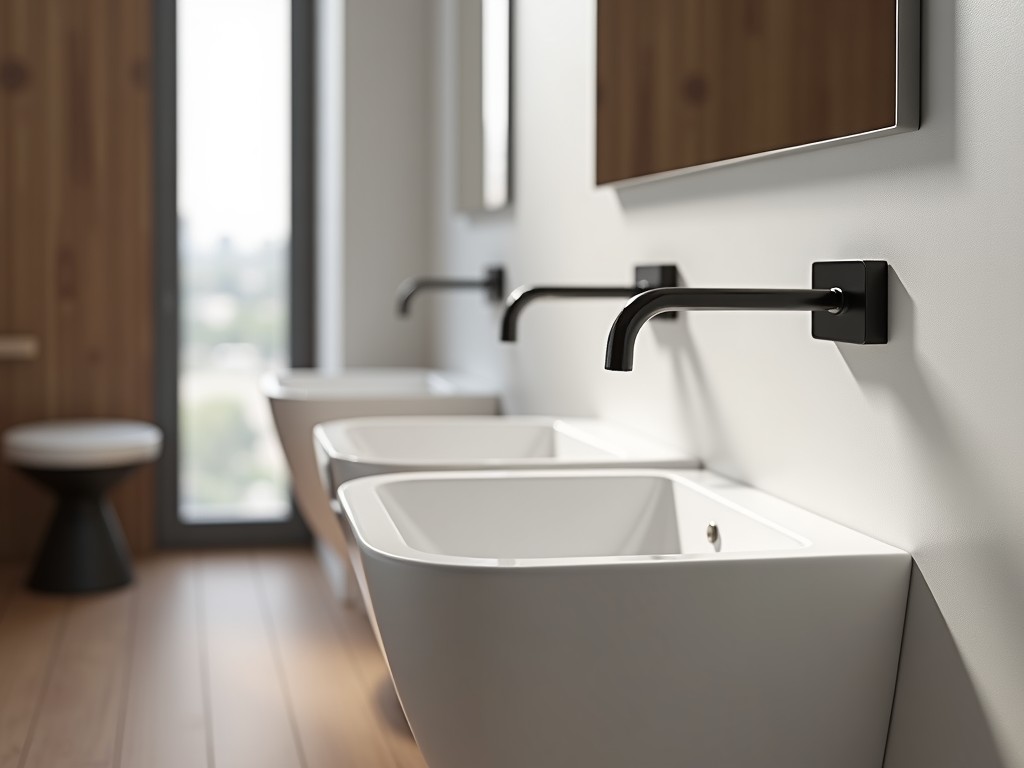
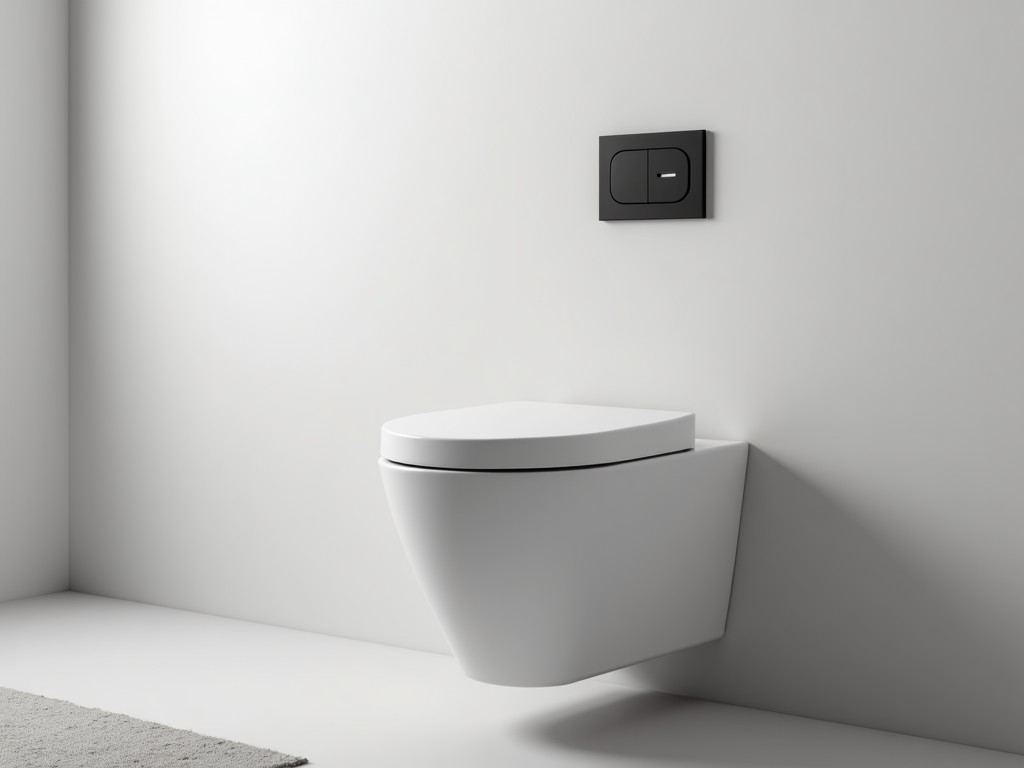
Wall‑hung bidet toilets combine a toilet bowl with integrated bidet functionality while being mounted to a concealed support frame. This configuration frees floor space, simplifies cleaning, and allows precise height adjustment to suit ergonomic requirements.
The support frame typically consists of steel brackets rated for a static load of at least 400 kg, fastened to structural studs or concrete backing with M10 anchor bolts. The bowl itself is manufactured from vitreous china with a wall thickness of 6–8 mm, providing resistance to impact and thermal shock.
Technical Specifications
Key performance parameters that influence selection include flush volume, water pressure range, nozzle material, and electrical rating for heated seats.
- Flush volume: 3.0 L per full flush, 1.5 L for reduced flush, compliant with WaterSense standards.
- Inlet water pressure: 0.1–0.5 MPa; integrated pressure‑regulating valve maintains consistent spray.
- Bidet nozzle: stainless steel 304, self‑cleaning with UV‑sterilization option.
- Seat heating: 45 W resistive element, temperature adjustable 30–40 °C, safety cutoff at 45 °C.
- Power consumption: standby <0.5 W, active <60 W.
Material Options and Customization
Manufacturers typically offer the bowl in standard white vitreous china, with optional colors such as beige or gray achievable through pigmented glaze. The support frame can be supplied in cold‑rolled steel with powder‑coat finish (RAL 9005 black or RAL 9010 white) or in stainless steel grade 304 for corrosive environments.
Additional customizable elements include:
- Adjustable height range: 400–500 mm from finished floor to bowl rim.
- Remote‑control or wall‑panel interface for bidet functions, with optional NFC‑enabled user profiles.
- Integrated deodorizer using activated carbon cartridge, replaceable every 6 months.
- Anti‑bacterial seat coating based on silver‑ion technology.
Typical Applications
Wall‑hung bidet toilets are selected for projects where floor space is at a premium and hygiene standards are elevated. Typical installations include high‑end hospitality suites, assisted‑living facilities, and premium residential bathrooms.
In hospitality, the concealed cistern reduces visual clutter and enables quicker room turnover because cleaning staff can access the floor area without obstruction. In assisted‑living, the adjustable height accommodates users with limited mobility, reducing the need for transfer aids.
Quality Control Considerations
Manufacturers apply a series of inspections to verify conformance with performance criteria. Each batch undergoes:
- Dimensional verification of bowl and frame using CMM, tolerance ±0.5 mm.
- Hydrostatic test of the flush valve at 1.5× working pressure for 2 minutes.
- Electrical safety test of heated seat and controls per IEC 60335‑2‑60.
- Finish adhesion test (cross‑hatch) for powder‑coat, minimum rating 4B.
Specification Table
| Parameter | Typical Value | Notes |
|---|---|---|
| Flush volume (full) | 3.0 L | Adjustable via dual‑flush mechanism |
| Flush volume (reduced) | 1.5 L | Water‑saving mode |
| Inlet water pressure | 0.1–0.5 MPa | Regulated internally |
| Nozzle material | Stainless steel 304 | Optional UV‑sterilization |
| Seat heating power | 45 W | Adjustable 30–40 °C |
| Static load capacity of frame | ≥400 kg | Tested per EN 997 |
Frequently Asked Questions
Can the bowl dimensions be customized? Yes, the bowl length and width can be adjusted within ±20 mm to accommodate specific rough‑in constraints, subject to tooling availability.
What information is required before quotation? Project details such as rough‑in height, wall finish type, desired flush volume, and any optional features (e.g., heated seat, deodorizer) enable an accurate quote.
What materials are available for the support frame? Standard cold‑rolled steel with powder‑coat finish; stainless steel grade 304 is offered for environments with high humidity or chemical exposure.
How is quality inspected? Each unit undergoes dimensional, hydrostatic, electrical, and finish adhesion tests as outlined in the quality control section.
What packaging methods are available for export? Units are packed in double‑wall corrugated cartons with foam corner protectors; palletized shipments include stretch‑wrap and corner boards for added stability.
Contact our engineering team to discuss project‑specific requirements