Best Rated Bidet Toilet Factory
Best Rated Bidet Toilet Factory
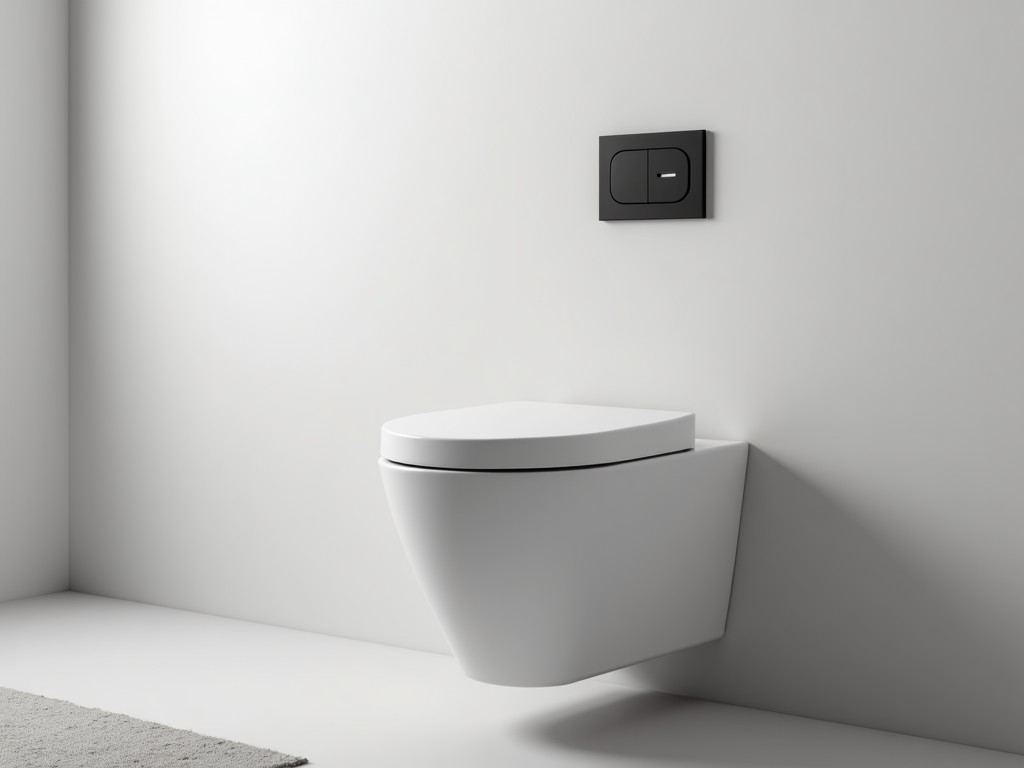
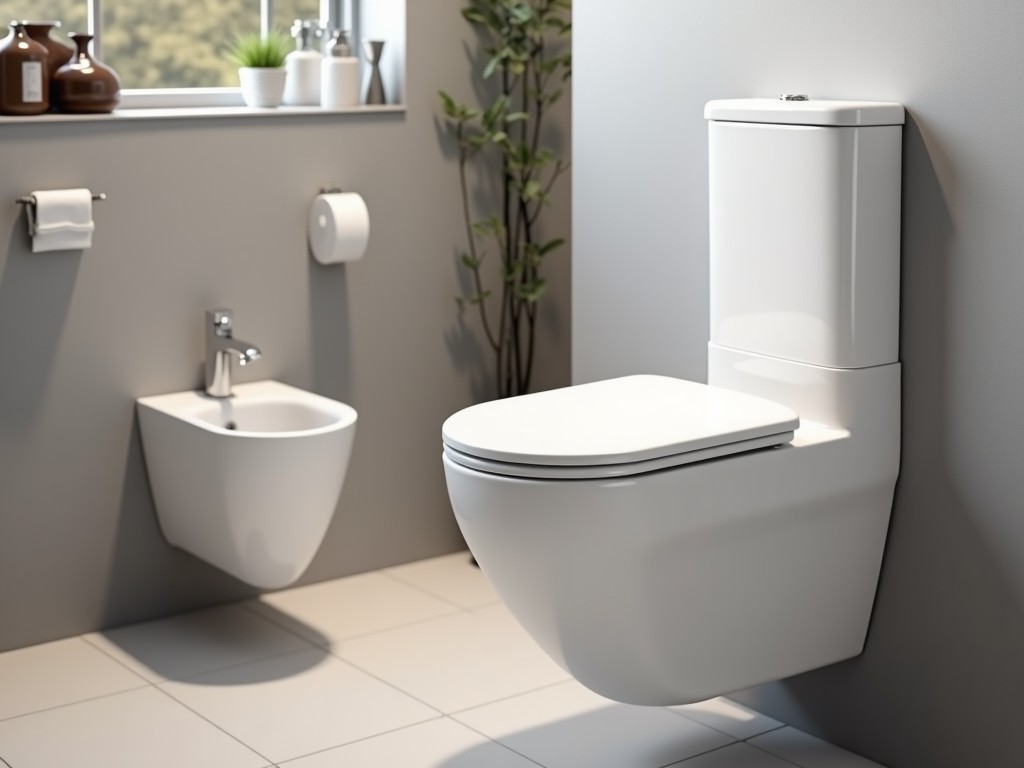
The facility focuses on producing bidet toilet units that meet the stringent performance demands of high‑traffic public installations. Each production line is engineered to hold ceramic thickness within ±0.1 mm and nozzle angular tolerance within ±0.2°, ensuring uniform spray coverage and reliable flushing cycles across thousands of units.
Manufacturing Overview
Raw vitreous china is slip‑cast, dried, and fired at 1240 °C to achieve a vitrified body with water absorption below 0.5 %. Automated glazing applies a uniform silicate layer, followed by a secondary firing at 1080 °C to create a scratch‑resistant surface. Robotic arms then install the bidet nozzle assembly, aligning the spray head to within 0.2° of the designed axis before final inspection.
Key Technical Specifications
| Parameter | Typical Value | Unit |
|---|---|---|
| Overall length (bowl to tank) | 700 | mm |
| Bowl width | 380 | mm |
| Flush volume (full) | 4.5 | L |
| Nozzle spray angle | 25 | ° |
| Operating water pressure | 0.15–0.5 | MPa |
| Electrical power (optional heated seat) | 45 | W |
| Unit weight (including tank) | 38 | kg |
| Primary material | Vitreous china (≥95 % SiO₂, Al₂O₃, Kaolin) | – |
Material Selection
The ceramic body uses a high‑silica vitreous china formulation that yields a flexural strength exceeding 30 MPa after firing, reducing the risk of cracking under repeated thermal cycling. The glaze incorporates a zinc‑silicate matrix that provides a Vickers hardness of approximately 650 HV, facilitating resistance to abrasive cleaning agents commonly used in institutional settings.
Applications in Commercial Facilities
In airport terminals, the units support continuous operation with minimal maintenance due to the self‑cleaning nozzle design that retracts after each use, limiting microbial buildup. Hospital installations benefit from the antibacterial glaze additive, which inhibits Gram‑negative bacteria growth on the ceramic surface, contributing to infection control protocols.
Quality Control Process
Dimensional verification is performed using laser scanning stations that compare each piece against CAD models with a tolerance of ±0.05 mm. Glaze adhesion is assessed via a cross‑hatch test per ASTM D3359, requiring a rating of 5B or better. Functional testing includes a spray pattern analysis using high‑speed cameras to confirm coverage uniformity within 5 % variance and a leak test at 0.6 MPa for 30 seconds to ensure seal integrity.
Customization Options
Clients may specify alternative nozzle materials such as stainless steel 316L for corrosive environments, or select a dual‑mode spray (posterior and feminine) with independent flow controls. Tank dimensions can be adjusted to fit confined wall‑hung configurations, and the flushing mechanism can be configured for pressure‑assist or gravity‑fed operation based on local water pressure availability.
Frequently Asked Questions
A: Yes, the fixture length and width are adjustable in 10 mm increments to accommodate varying rough‑in distances, subject to structural validation.
A: Preliminary details include projected annual volume, required flush volume, any preferred nozzle material, and the target installation environment (e.g., airport, hospital, office).
A: Sampling follows ISO 2859‑1 level II, with visual, dimensional, and functional checks performed on every 500th unit; full inspection is available upon request.
A: Each unit is placed in a double‑wall corrugated crate with corner protectors, wrapped in polyethylene film, and secured with straps; pallets are heat‑treated to ISPM‑15 standards.
Contact for Technical Inquiry
To discuss specific performance requirements, request detailed CAD files, or arrange a sample evaluation, please use the contact form available at /contactus. Our engineering team will respond with a technical proposal within two business days.