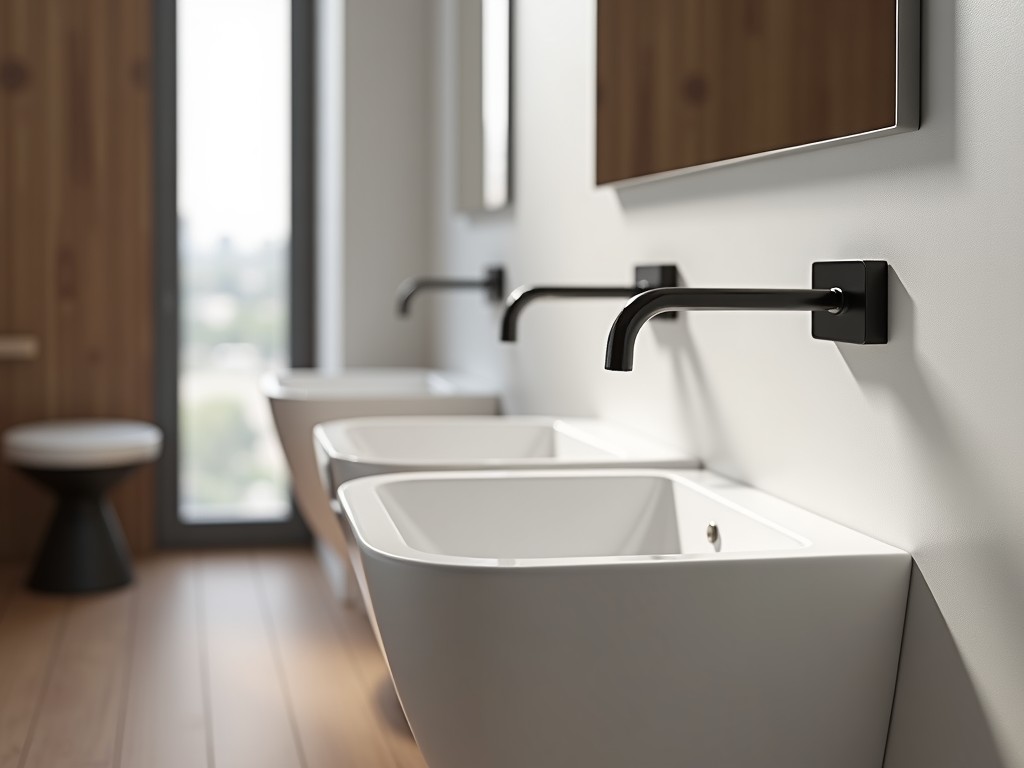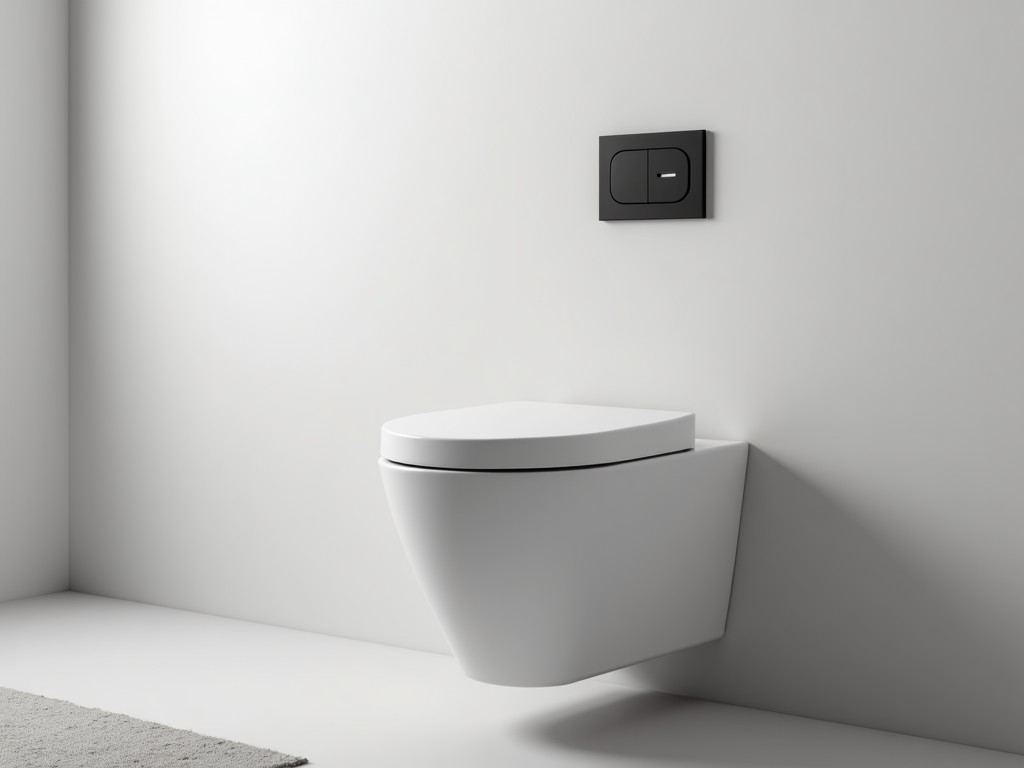
B2B Mode Wall Hung Toilet
B2B Mode Wall-Hung Toilet
A wall‑hung toilet mounts the bowl to a concealed steel frame, leaving the floor clear for easier cleaning and a more spacious feel. The system transfers the load to the wall structure through a carrier that distributes forces across studs or a concrete backing, making it suitable for high‑traffic commercial environments where hygiene and durability are priorities.
Technical Specifications
| Parameter | Typical Value |
|---|---|
| Bowl Material | Vitreous china, glazed to Class 5 per ISO 10545‑12 |
| Overall Height (including seat) | 800 mm ± 5 mm |
| Seat Height from Finished Floor | 460 mm ± 3 mm (ADA‑compatible range) |
| Flush Volume | 4.5 L (dual‑flush) or 3.0 L low‑flow option |
| Load Capacity (static) | 400 kg (tested per EN 997) |
| Rough‑in Distance (wall to outlet centre) | 180 mm ± 5 mm |
| Water Inlet Pressure | 0.1 MPa – 0.5 MPa |
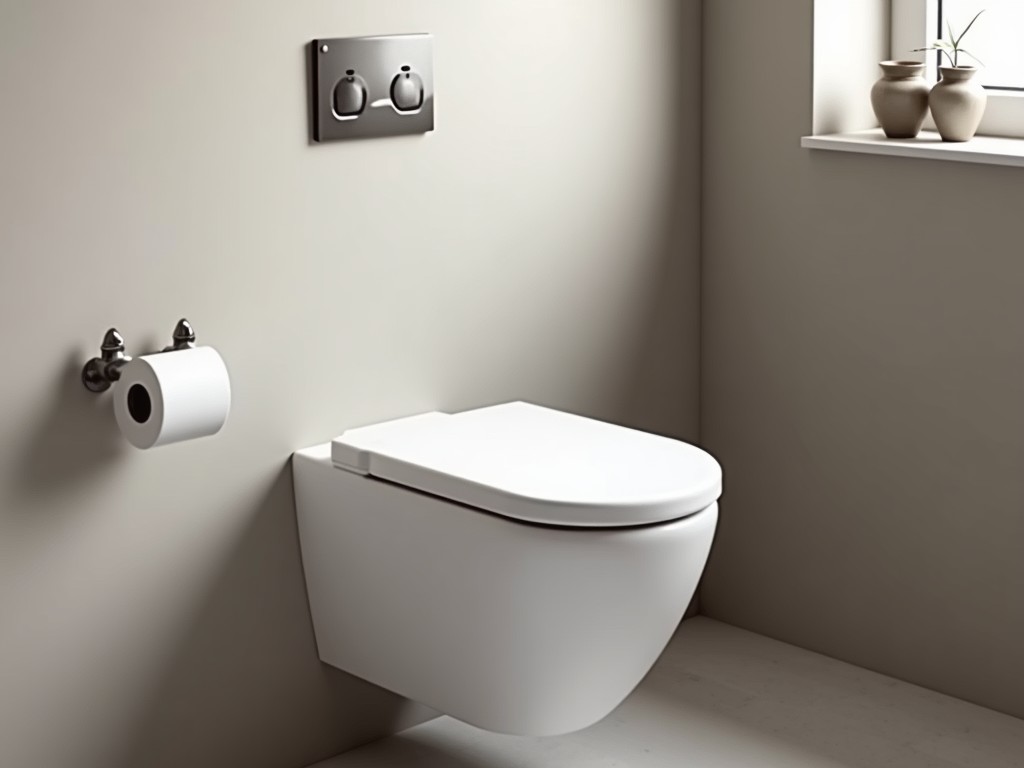
Materials and Construction
The bowl is formed from high‑pressure cast vitreous china, then fired above 1200 °C to achieve a non‑porous surface that resists staining and bacterial growth. A double‑dip glaze creates a smooth finish with a gloss measurement above 80 GU at 60°. The concealed carrier uses cold‑rolled steel with a powder‑coated corrosion‑resistant layer, providing a minimum 250 µm coating thickness per ASTM D3359. Mounting brackets are stainless steel (AISI 304) to prevent rust in humid environments.
Installation Requirements
A wall‑hung unit requires a load‑bearing wall capable of supporting at least 600 kg dynamic load. The steel frame attaches to studs spaced at 400 mm or 600 mm intervals, or to a reinforced concrete backing using chemical anchors. The inlet pipe connects via a ½‑inch NPT threaded coupling, and the waste outlet uses a 100 mm PVC sleeve with a flexible rubber seal to accommodate minor misalignment. Installation typically takes 45‑60 minutes per unit when the rough‑in is pre‑prepared.
Applications in Commercial Settings
Removing the pedestal eliminates floor‑mounted crevices where dirt and microbes collect, simplifying daily cleaning cycles in hotels, airports, and healthcare facilities. The concealed cistern reduces visual clutter, allowing designers to achieve a minimalist aesthetic while meeting accessibility codes that specify seat heights between 430 mm and 480 mm. In high‑rise buildings, the reduced floor load contributes to lower structural demands, which can translate into material savings during construction.
Quality Control Philosophy
Each bowl undergoes a hydrostatic leak test at 0.6 MPa for five minutes, with a pass criterion of zero drips. Glaze adhesion is verified by a cross‑hatch tape test per ASTM D3359, requiring a rating of 5B. Load testing applies a 400 kg static weight for 24 hours, measuring deflection to ensure it remains under 2 mm. Final visual inspection checks for glaze uniformity, color consistency, and the absence of pinholes under 500 lux illumination.
Customization Options
- Color: standard white, optional ivory, black, or custom RAL matched to project palette
- Flush mechanism: push‑button dual‑flush, sensor‑activated, or manual lever
- Seat: soft‑close polypropylene, antibacterial treated, or stainless‑steel frame with padded cover
- Accessories: concealed cistern with insulated tank, vandal‑resistant flush plate, or integrated hand‑rail
Frequently Asked Questions
Can the rough‑in distance be adjusted?
The outlet centre is fixed at 180 mm from the finished wall; however, offset flanges are available to accommodate variations up to ±10 mm when the waste pipe cannot be moved.
What information is needed for a quotation?
Please provide the required quantity, preferred flush volume, seat type, any color or branding specifications, and the project timeline so we can calculate tooling and lead time accurately.
Which materials are available for the carrier?
Standard carriers use powder‑coated cold‑rolled steel; stainless steel (AISI 316) frames are offered for corrosive environments such as coastal facilities or chemical processing plants.
How is quality inspected before shipment?
Each unit receives a functional flush test, a load‑bearing verification, and a visual audit. AQL 1.0 sampling is applied for cosmetic defects, and AQL 0.65 for functional tests, according to ISO 2859‑1.
What packaging methods protect the product during export?
Bowls are packed in double‑wall corrugated cartons with internal foam corner protectors; carriers are bundled in steel‑banded pallets with stretch‑film wrapping. Pallets undergo ISTA 3A simulation testing to ensure resistance to shock and vibration.
Call to Action
To discuss your project’s specific requirements, request a detailed quote, or arrange a sample unit, please contact our technical sales team using the link below.
Request Quotation